in transdisciplinary choreography we embody elements from different sources and artistic research.
- sensual synergy matrice
- topology and notation
- permutation of thought
- accumulations
- matrix multiplication
this project is currently being developed.
a choreographic methodology
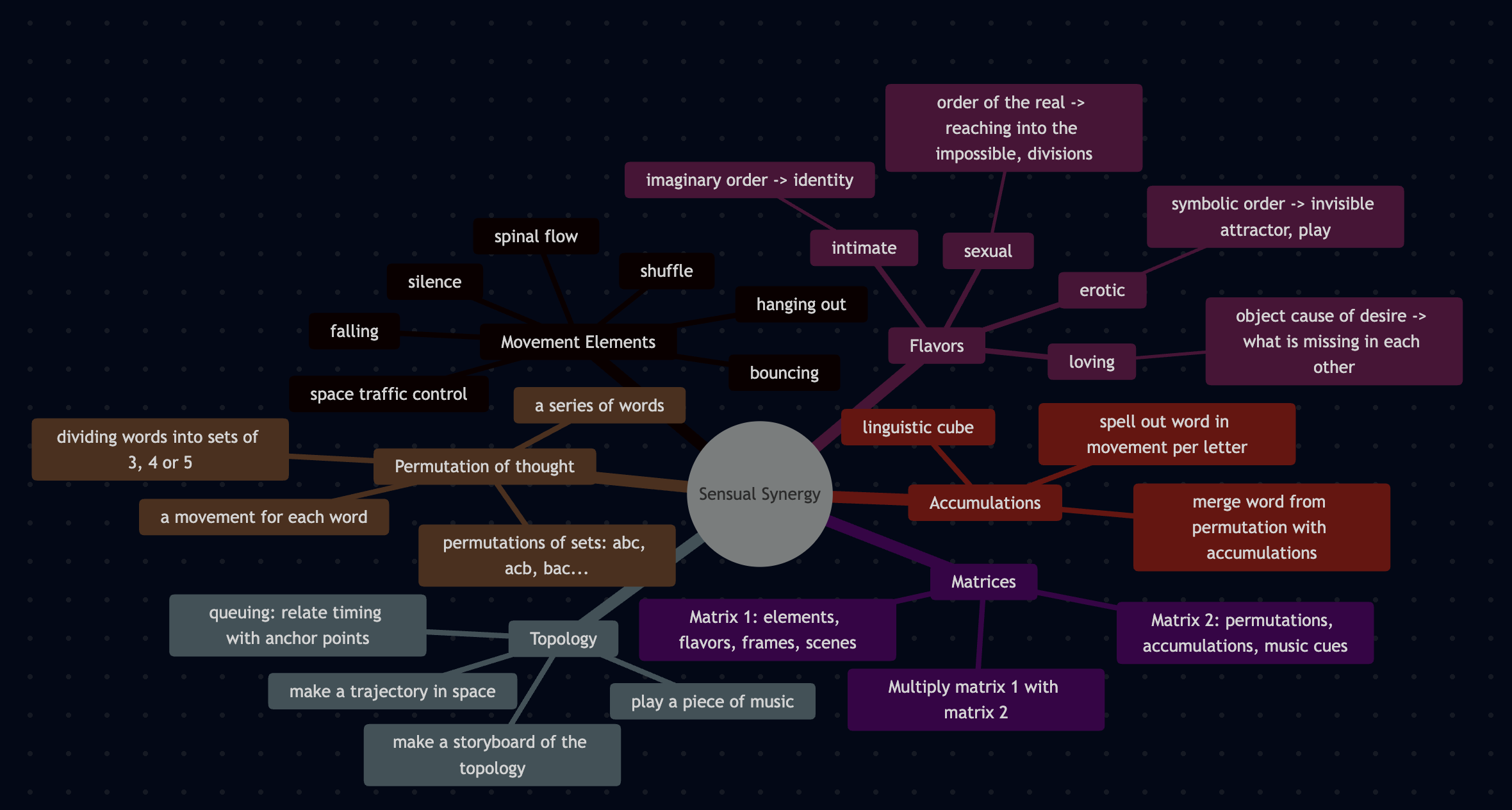
in transdisciplinary choreography we embody elements from different sources and artistic research.
this project is currently being developed.
>>> view matrices <<<
make/play a piece of music
make a trajectory in space
queuing: relate timing of music with anchor points in space
make a storyboard of the topology (frames in bird view or 3d containing scenes)
from Locus by Trisha Brown
view https://www.moma.org/collection/works/184698
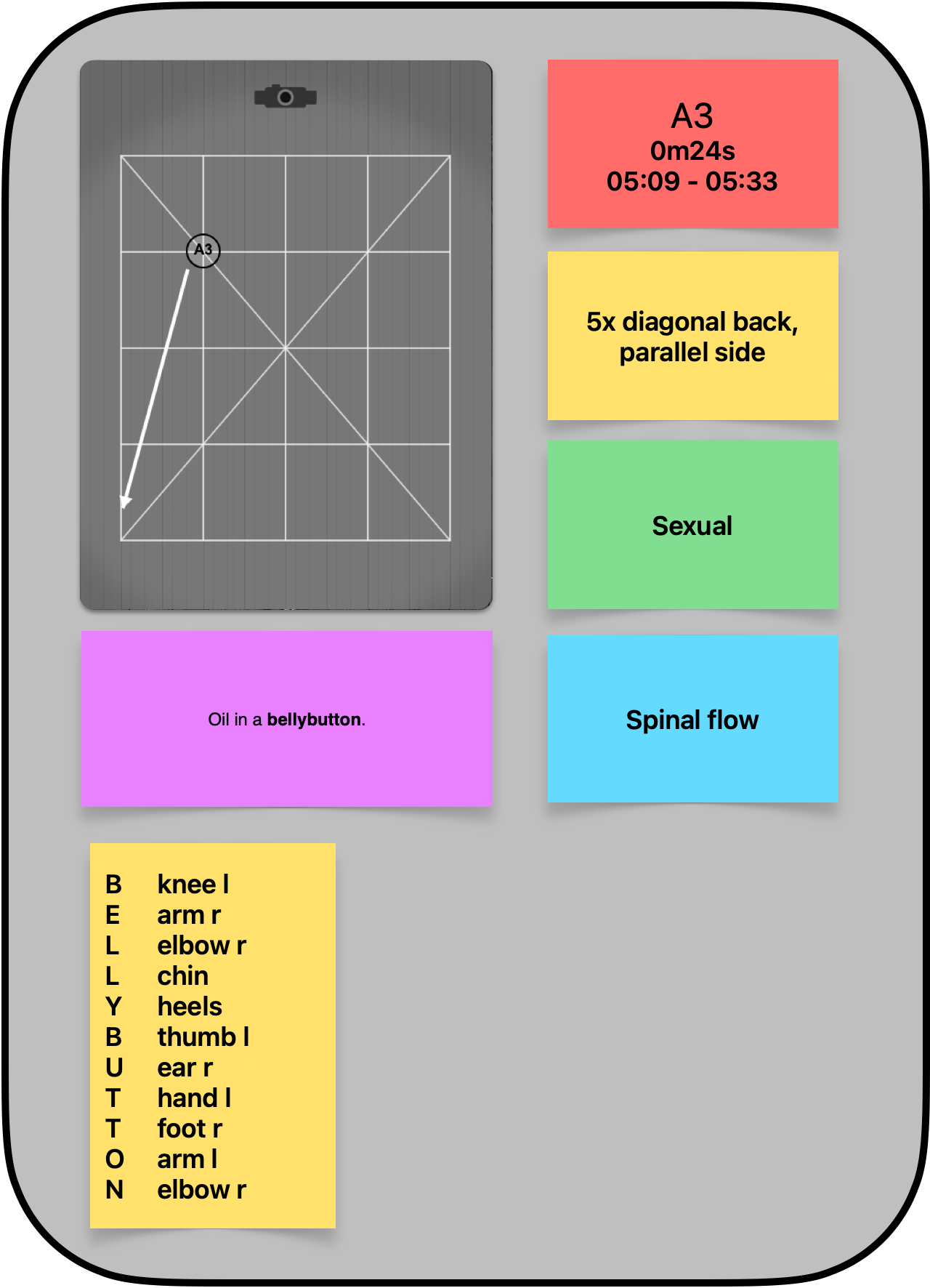
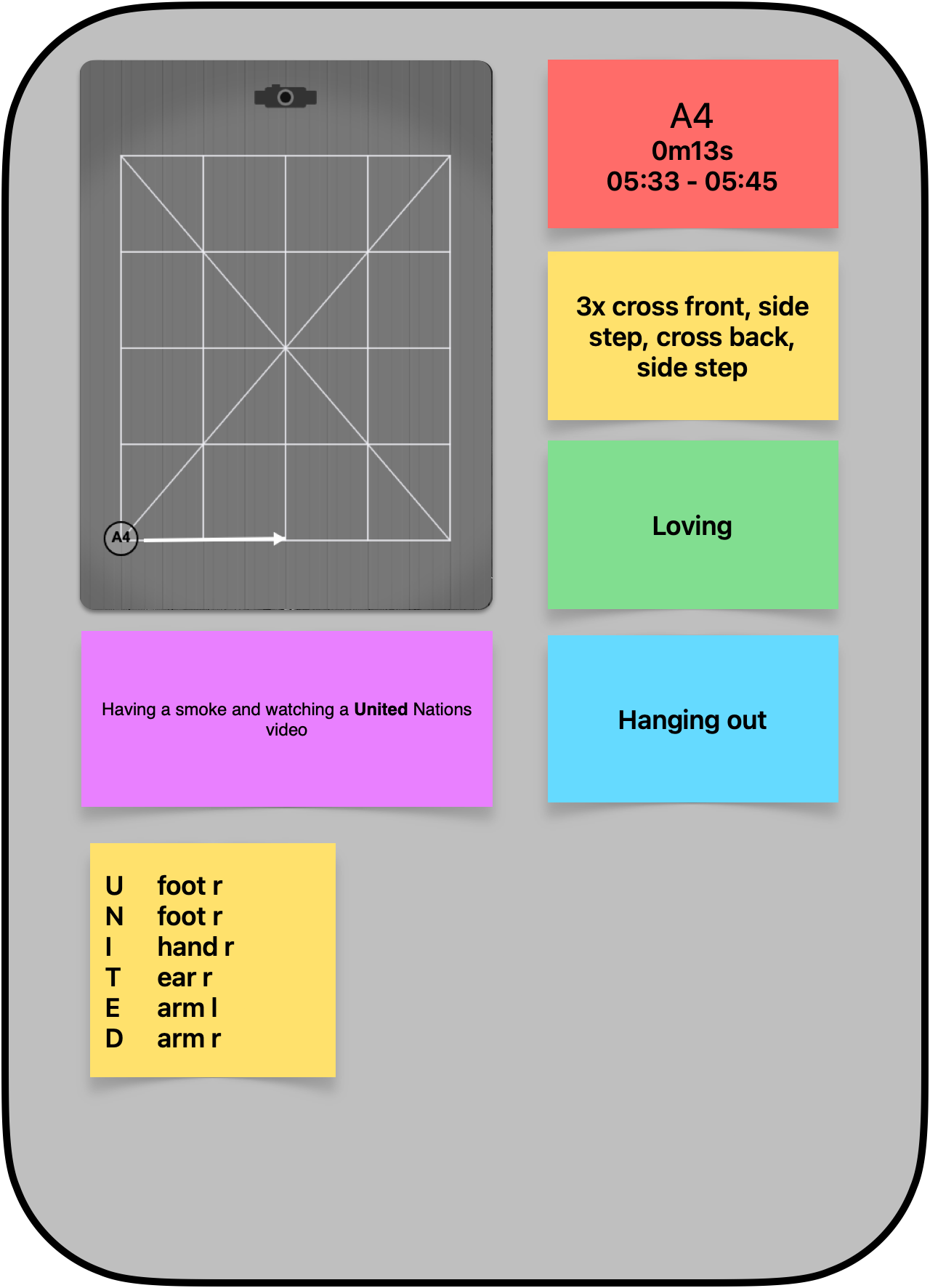
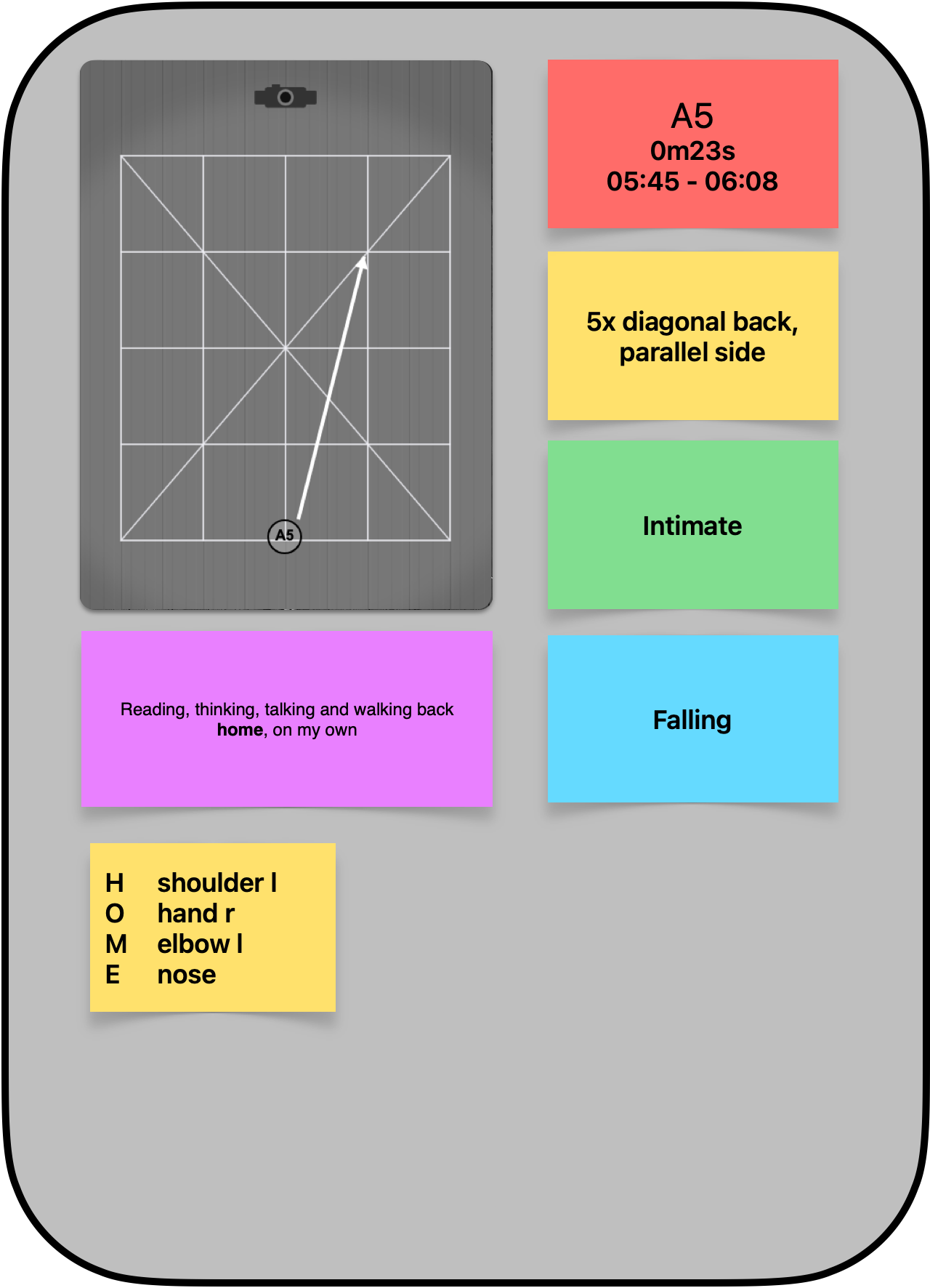
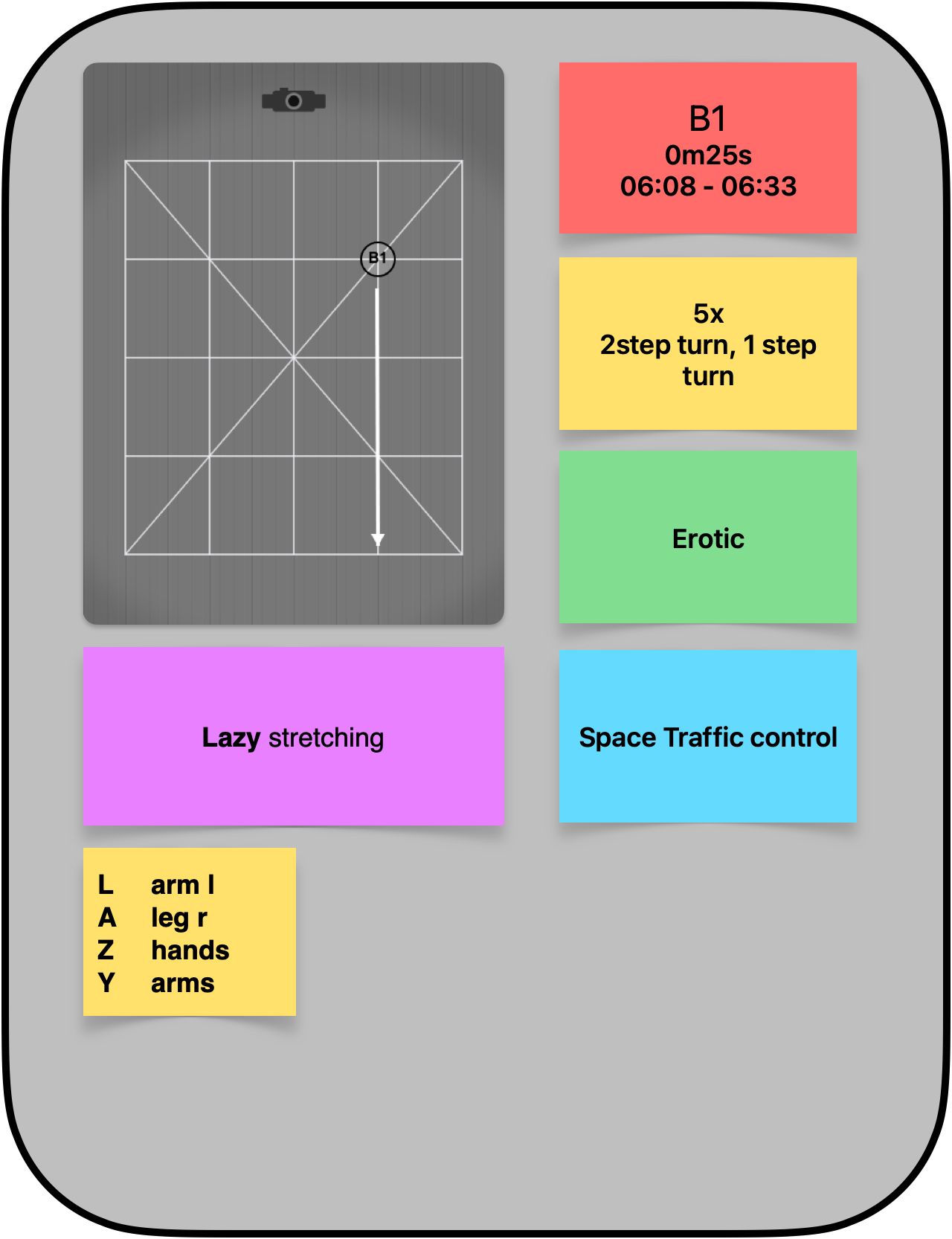
spell out word in movement per letter.
merge each word from permutation movements with its own letters of movement accumulations.
for example:
in a permutation series of ‘hot’, ‘wet’, ‘hair’
‘hot’ is a slow and gentle movement of the spine from top to bottom.
then accumulations are merged with it:
h : left elbow high left with a higher spine movement,
o : nose mid diagonal left back with a middle spine movement,
t : left arm low right with a lower spine movement.
note: it can be that the duration of a permutation movement changes due to the accumulations.
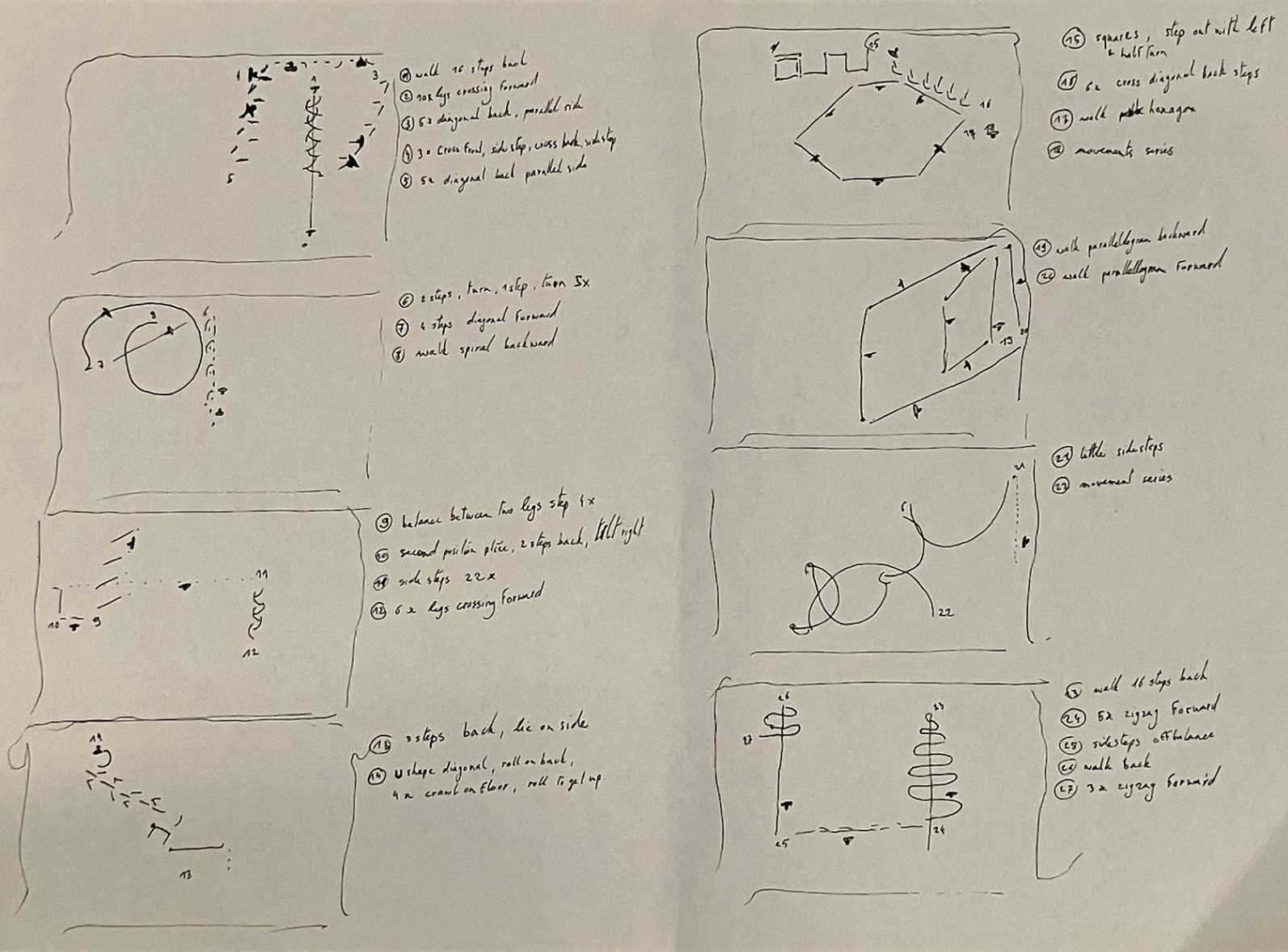
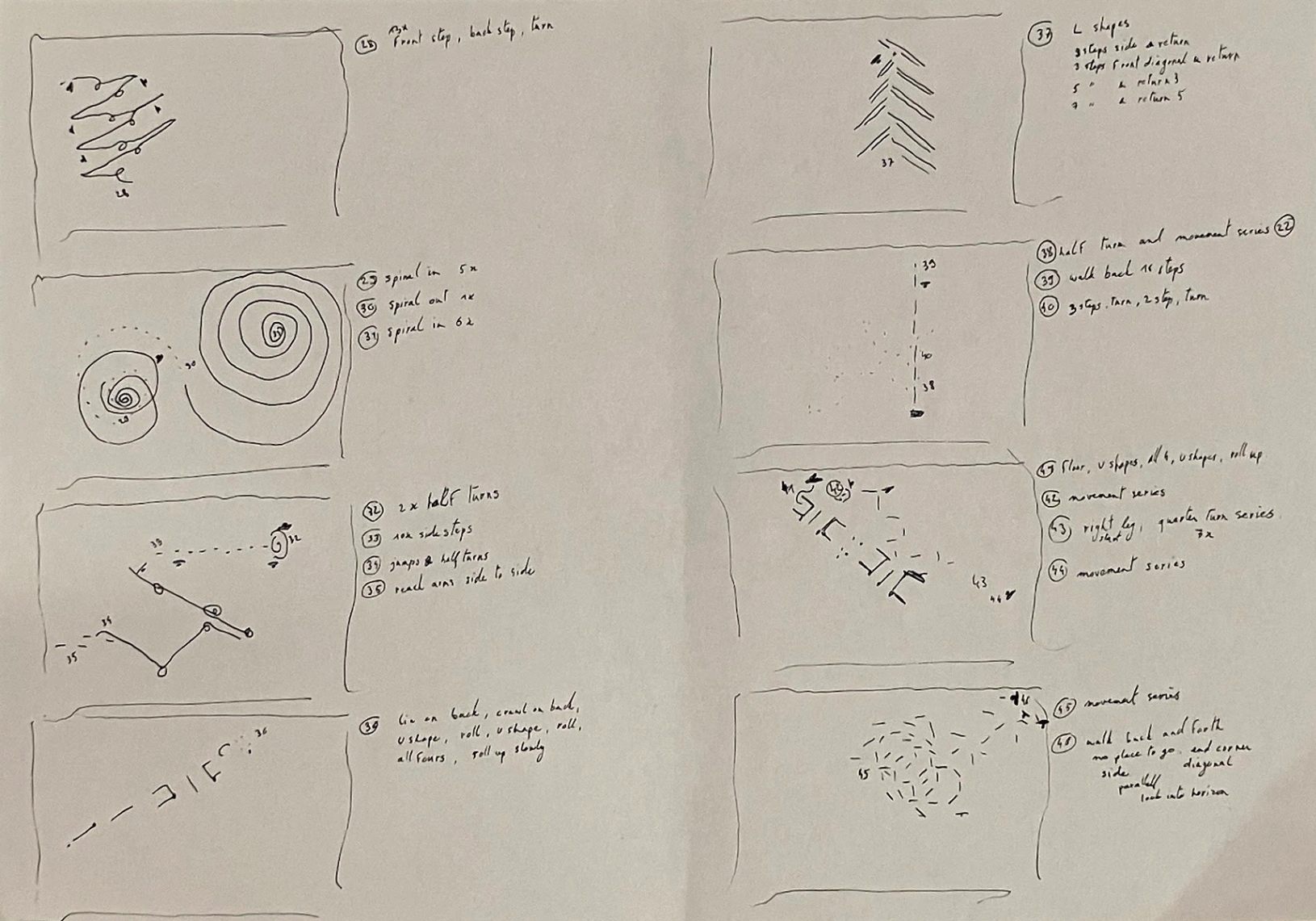
a series of words.
a movement for each word.
dividing words into sets of 3, 4 or 5.
permutations of sets, examples:
abc, acb, bac, bac, cab, cba.
1234, 1243, 1324, 1342, 1423, 1432,
2134, 2143, 2314, 2341, 2413, 2431,
3124, 3142, 3214, 3241, 3412, 3421,
4123, 4132, 4213, 4231, 4312, 4321.
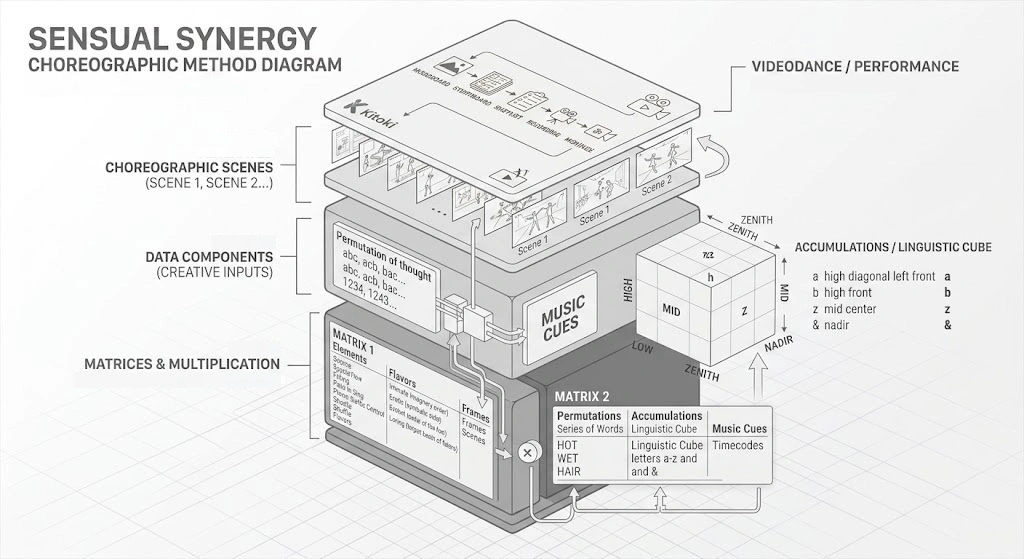
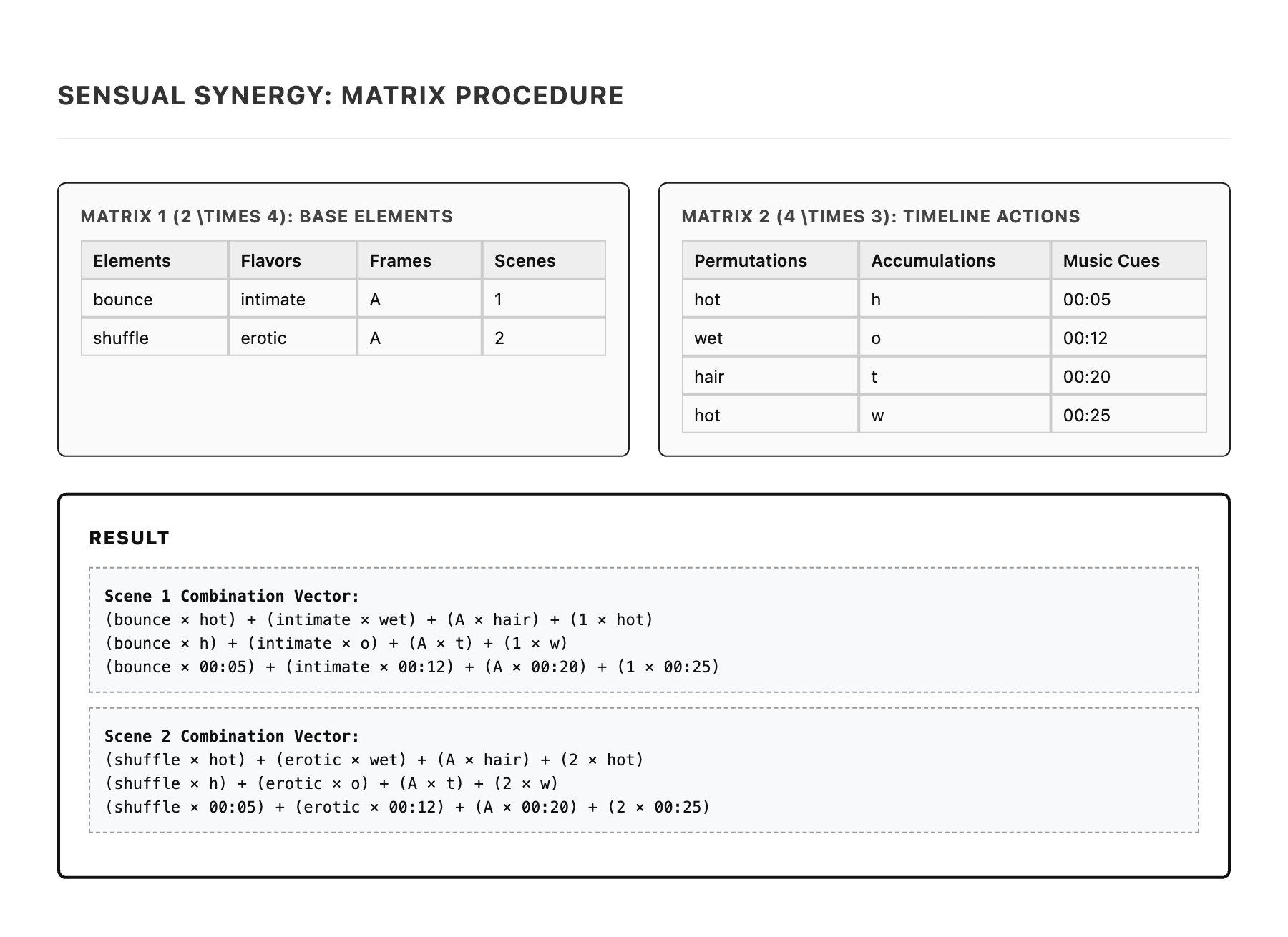
matrix 1 has columns: elements, flavors, frames, scenes.
matrix 1 rows are limited to amount of scenes.
matrix 2 has column s: permutations, accumulations, music cues
matrices 2 rows are limited to amount of accumulations and are a multiple of 4 (amount of columns in matrix 1)
transpose matrix if necessary (turn columns into rows)
multiply matrix 1 with matrix 2
Note: For matrix multiplication to be possible, the number of columns in the first matrix must equal the number of rows in the second matrix.
example:
m1 First matrix: 2 rows, 4 columns (2×4)
m2 Second matrix: 4 rows, 3 columns (4×3)
m1
elements flavors frames scenes
bounce intimate A 1
shuffle erotic A 2
m2
permutations accumulations music cues
hot h 00:05
wet o 00:12
hair t 00:20
hot w 00:25
m1 x m2
dimensions are: matrix1 two rows, matrix2 three columns = two by three
(bounce x hot)+ (bounce x h)+ (bounce x 00:05)+
(intimate x wet)+ (intimate x o)+ (intimate x 00:12)+
(A x hair)+ (A x t)+ (A x 00:20)+
(1 x hot) (1 x w) (1 x 00:25)
(shuffle x hot)+ (shuffle x h)+ (shuffle x 00:05)+
(erotic x wet)+ (erotic x o)+ (erotic x 00:12)+
(A x hair)+ (A x t)+ (A x 00:20)+
(2 x hot) (2 x w) (2 x 00:25)
2025
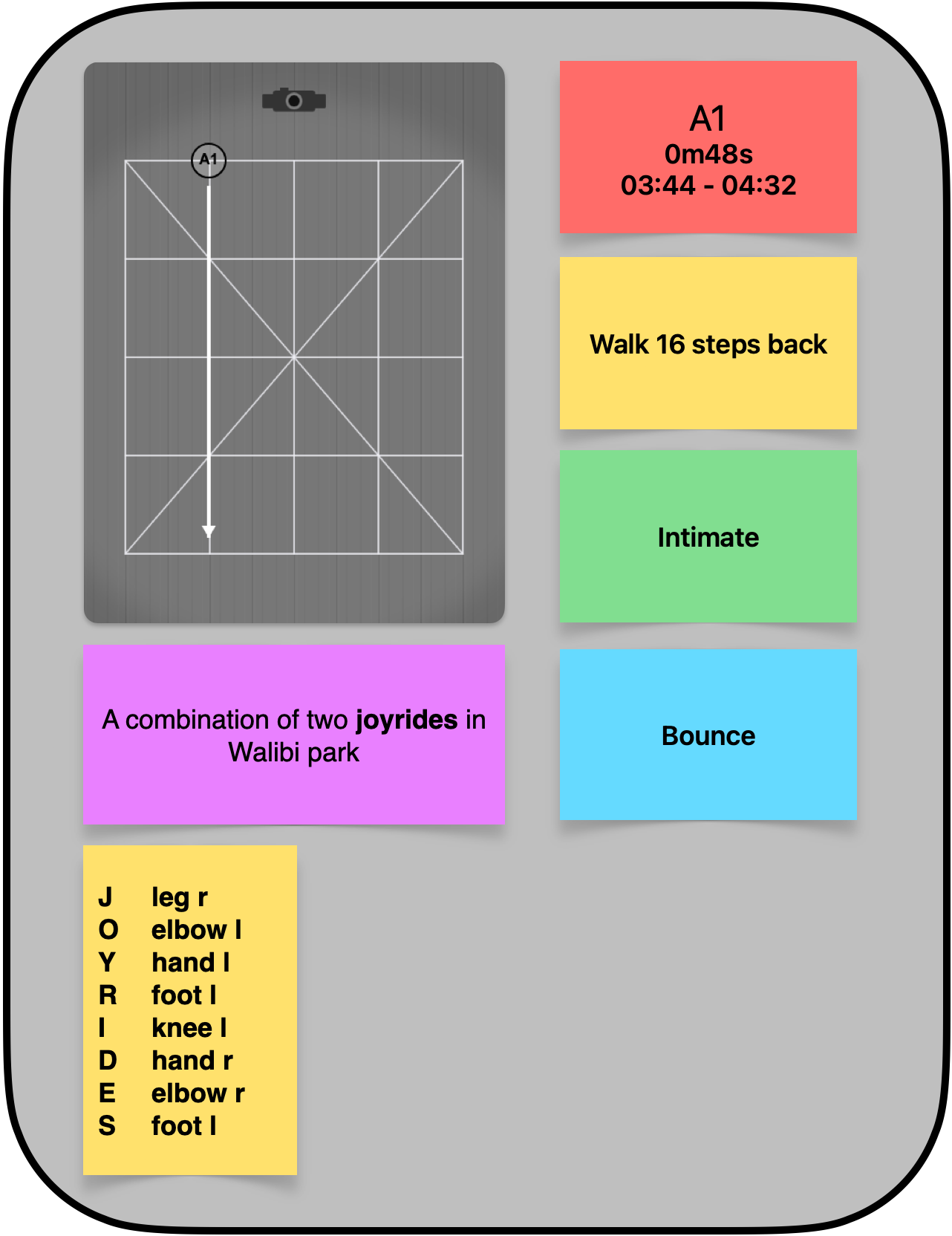
29/9 02:47
A combination of two joyrides in Walibi park.
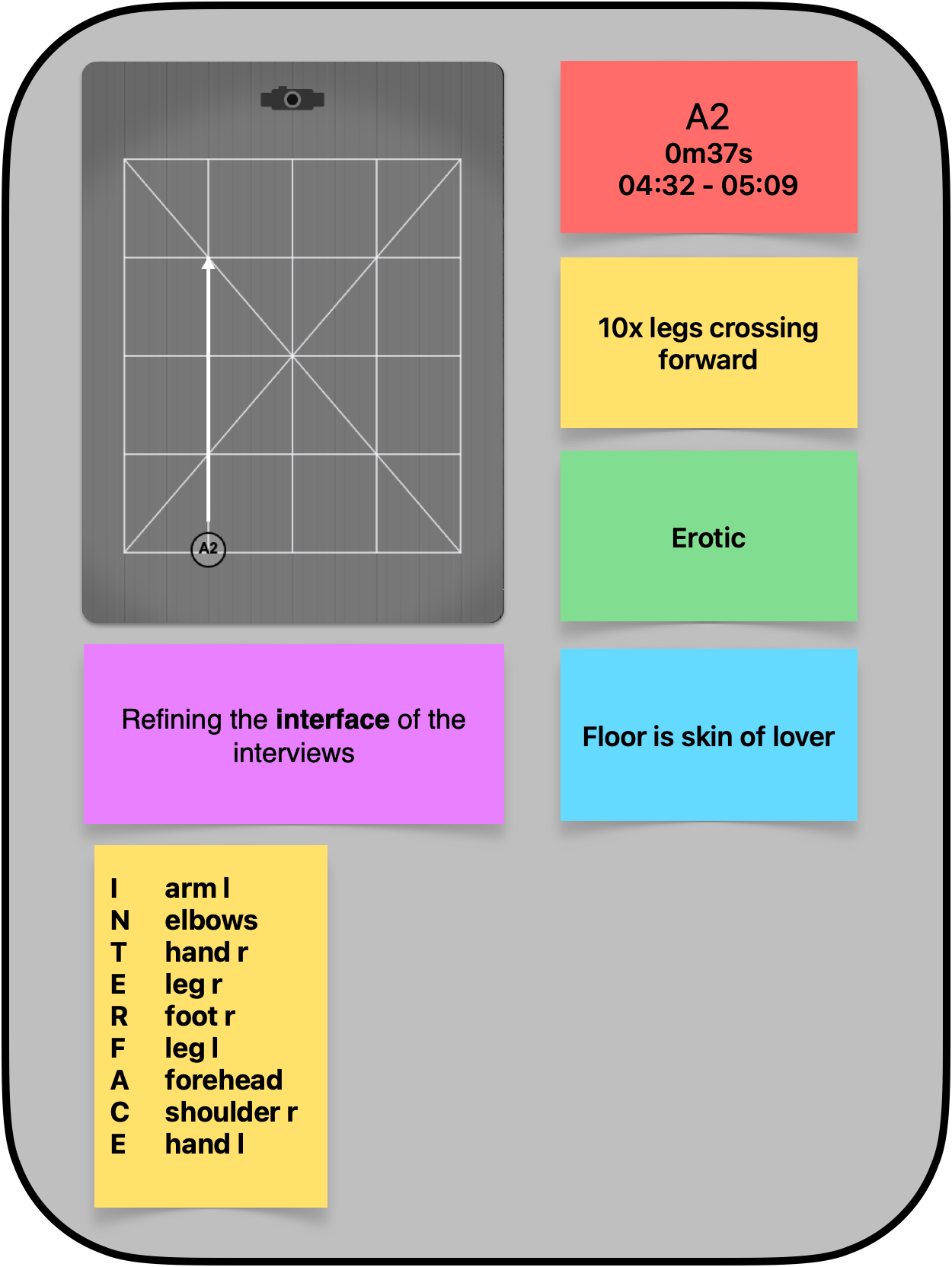
29/9 16:08
Refining the interface of the interviews.
29/9 18:54
Oil in a bellybutton.
29/9 20:21
Having a smoke and watching a United Nations video.
29/9 23:15
Reading, thinking, talking and walking back home, on my own.
30/9 3:28
Snoozing, slumber.
30/9 5:08
The number two as a sculpture in the form of the number five.
30/9 13:39
How toggle changes multiple states at once.
30/9 20:19
The feeling of an unfinished drawing.
30/9 22:27
Lazy stretching.
1/10 00:27
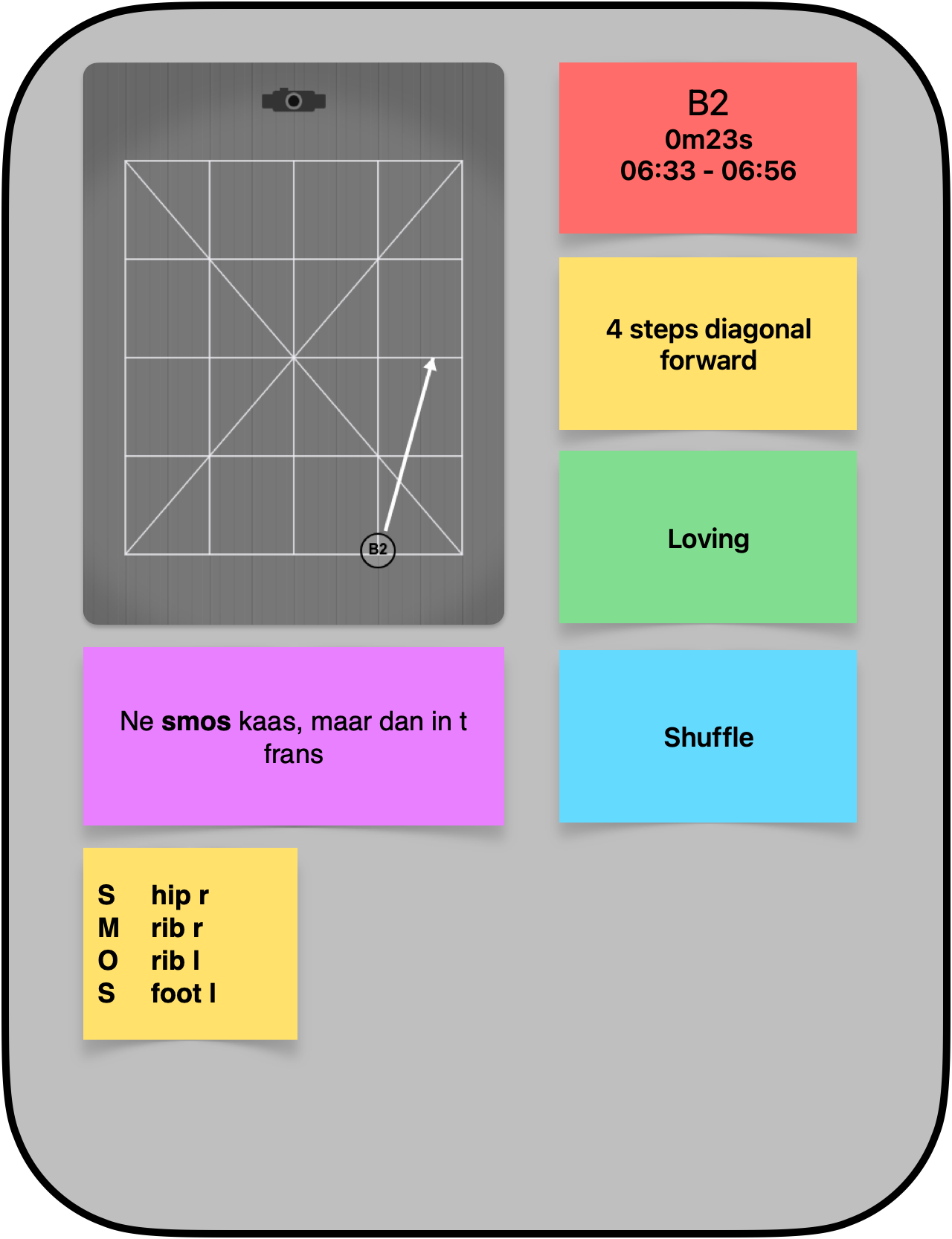
Ne smos kaas, maar dan in't frans.
1/10 2:31
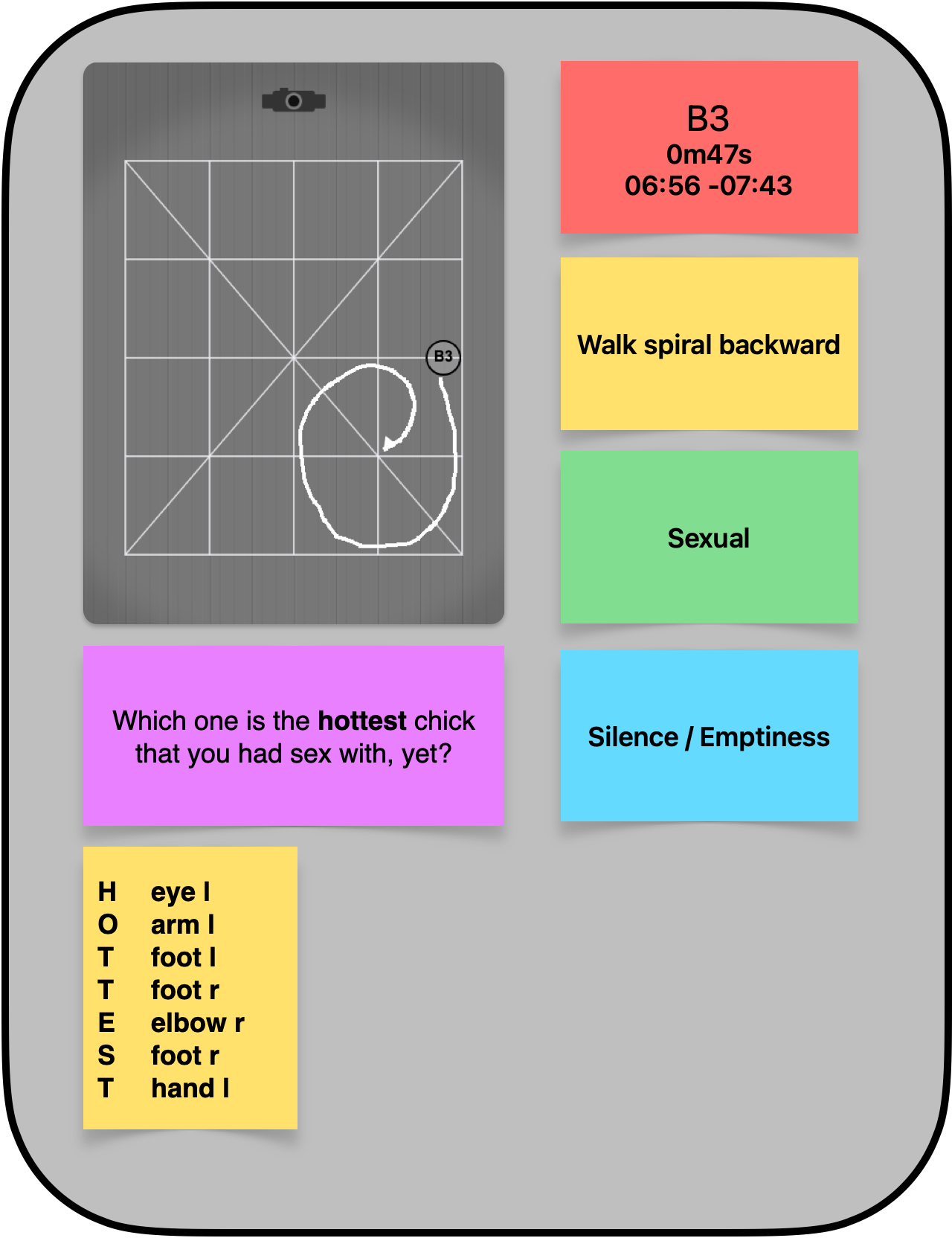
Which one is the hottest chick that you had sex with, yet?
1/10 18:48
Filling in a job application and watching a gangster movie where they get stuck in hell.
1/10 20:37
Having this dumb belief that I should be doing something, instead of being what I am.
1/10 23:35
Dancing the diagonal in a veranda while contemplating what to say that would would be trending in a fashion show.
2/10 1:26
Taking out the trash in the middle of the night, a little old lady in black, why is she waiting at the tramstop when there are no trams passing?
2/10 11:13
Kutwijf.
2/10 14:33
Taking a long walk to buy some food.
2/10 15:06
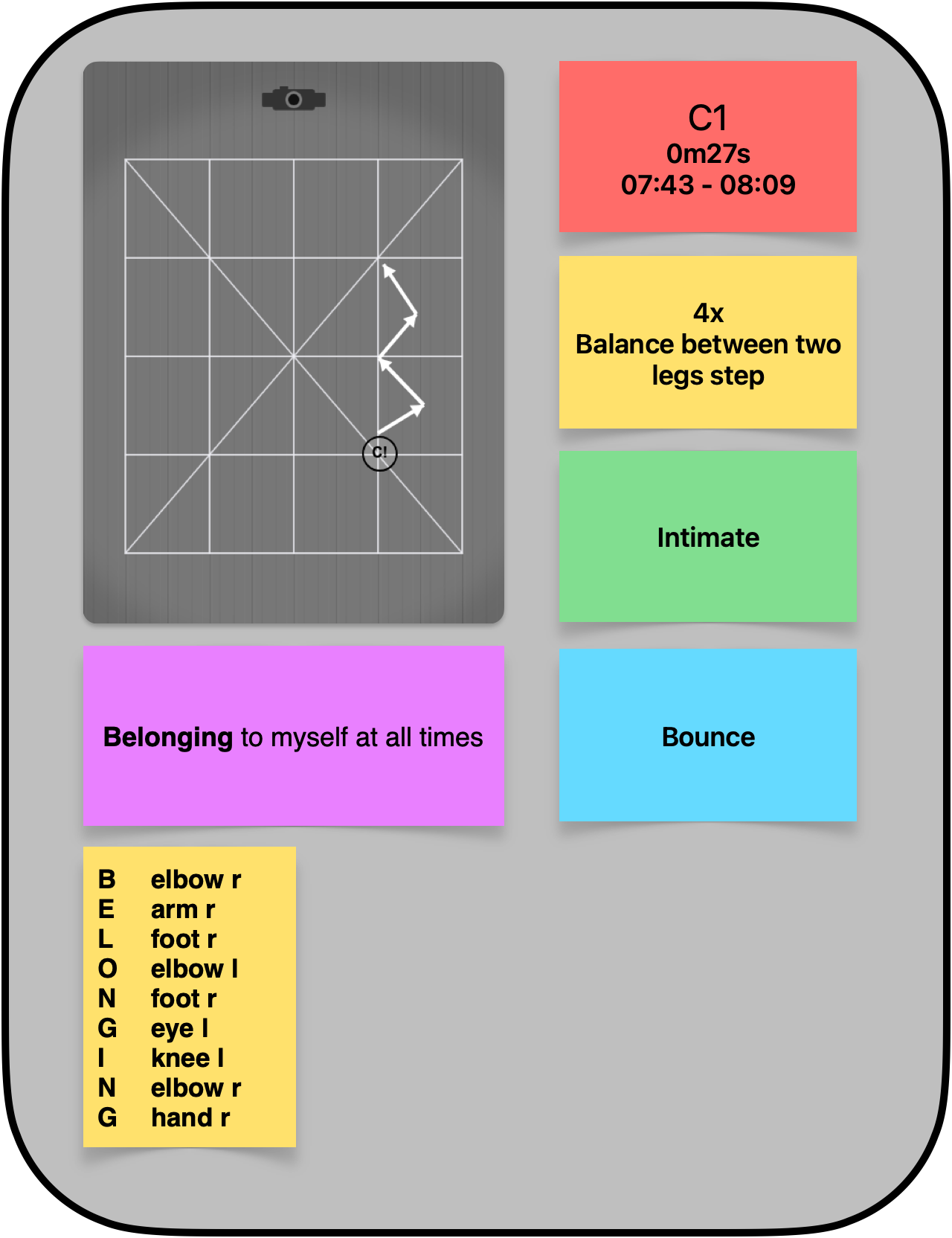
Belonging to myself at all times.
2/10 19:02
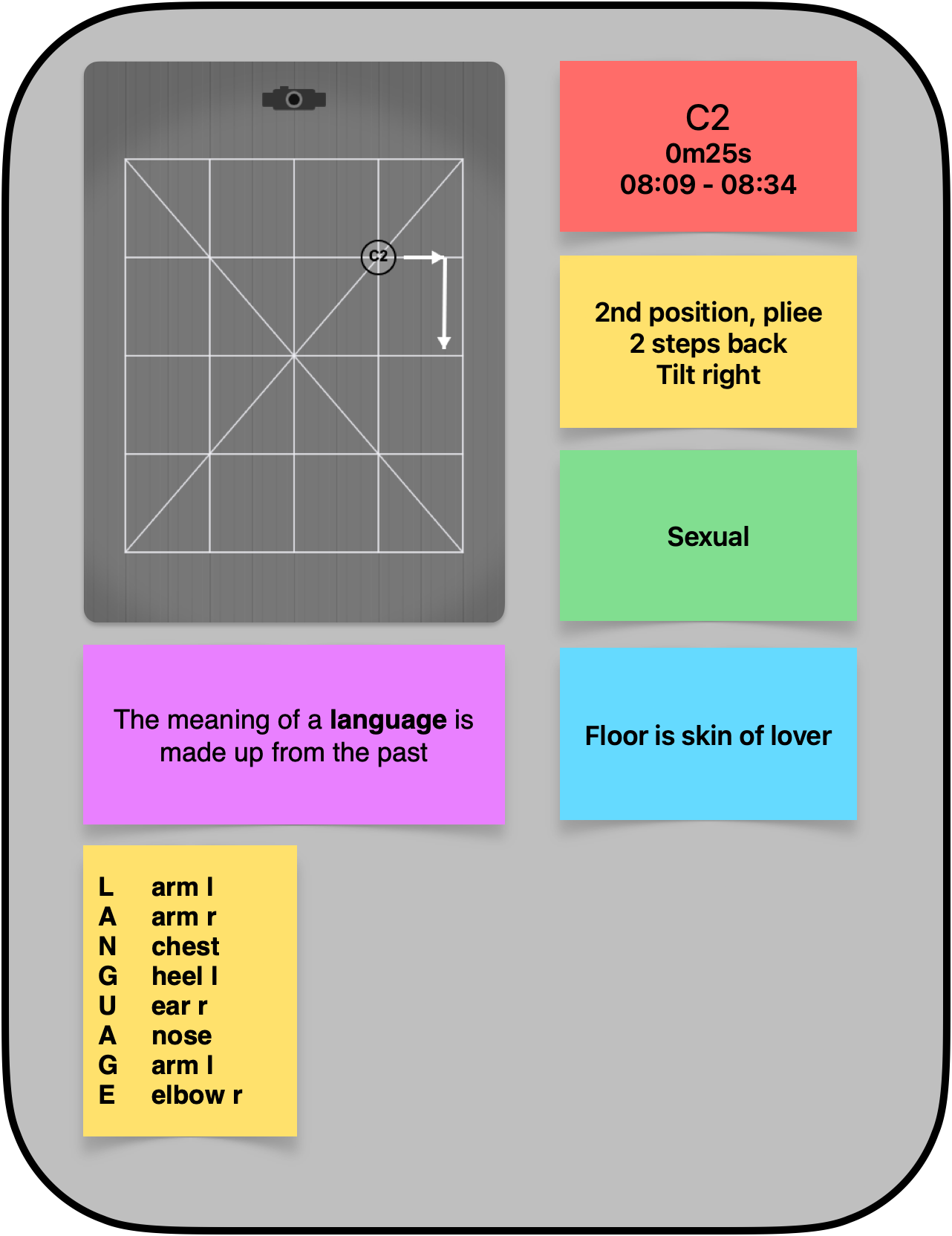
The meaning of a language is made up from the past.
3/10 9:00
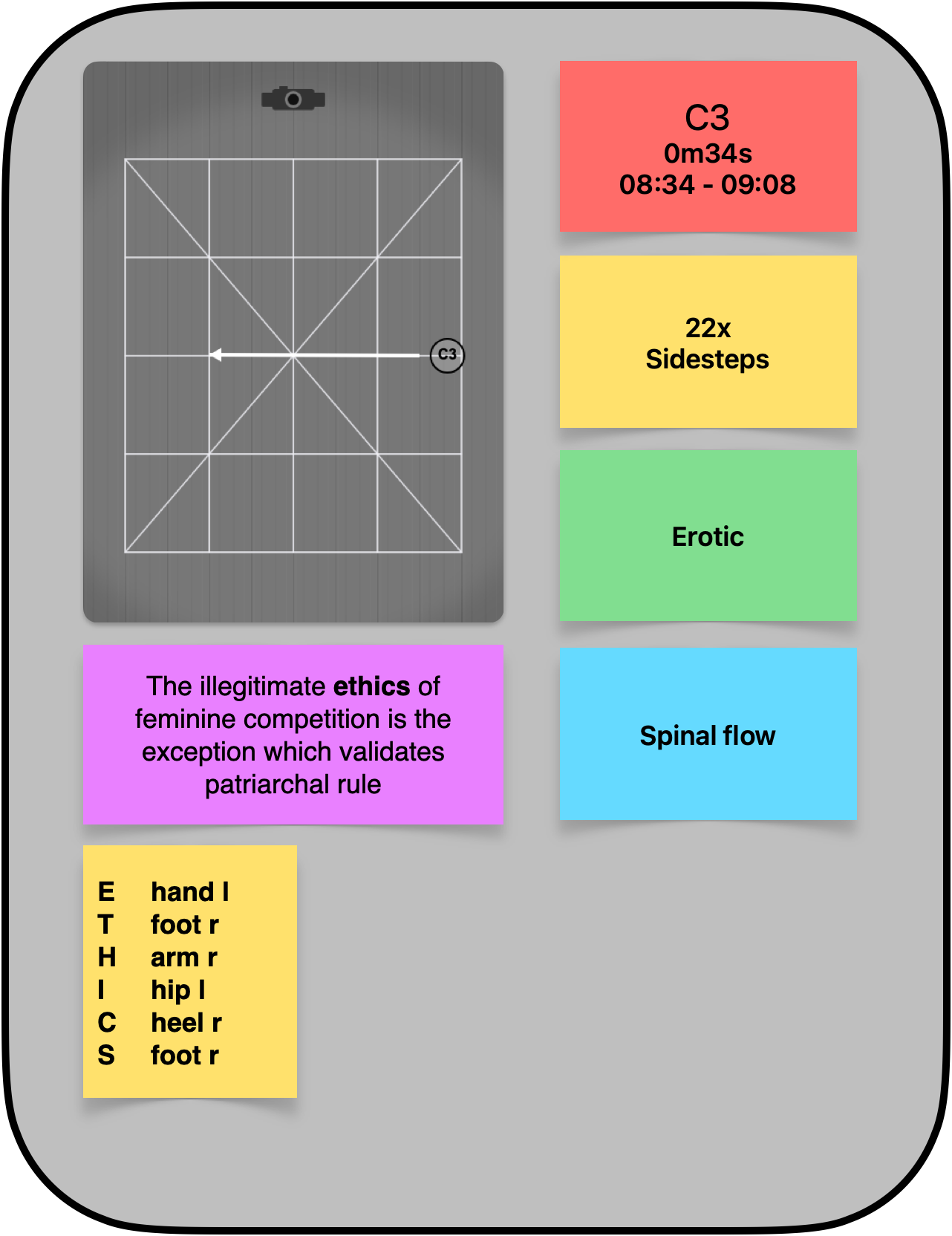
The illegitimate ethics of feminine competition is the exception which validates patriarchal rule.
3/10 12:39
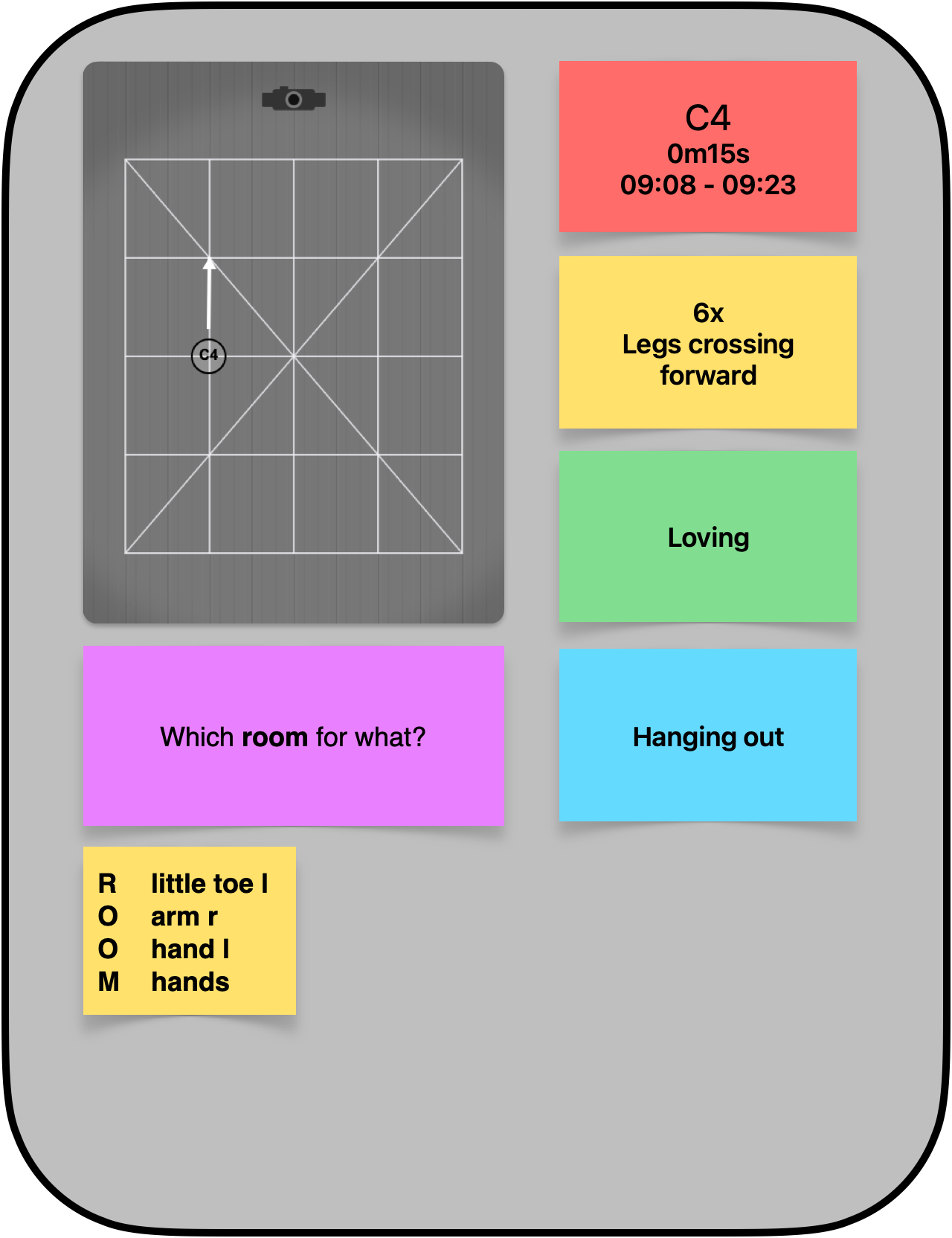
Which room for what?
3/10 17:09
Keyboard cat, a digital synth.
3/10 18:48
Nothing special to say besides the sound beyond the meaning.
3/10 21:09
A look into your eyes makes the world disappear.
4/10 3:56
Being gutted and welcomed by the smile of a kunda.
4/10 4:00
Wanting to see dance but feeling I'm watching circus tricks.
4/10 16:36
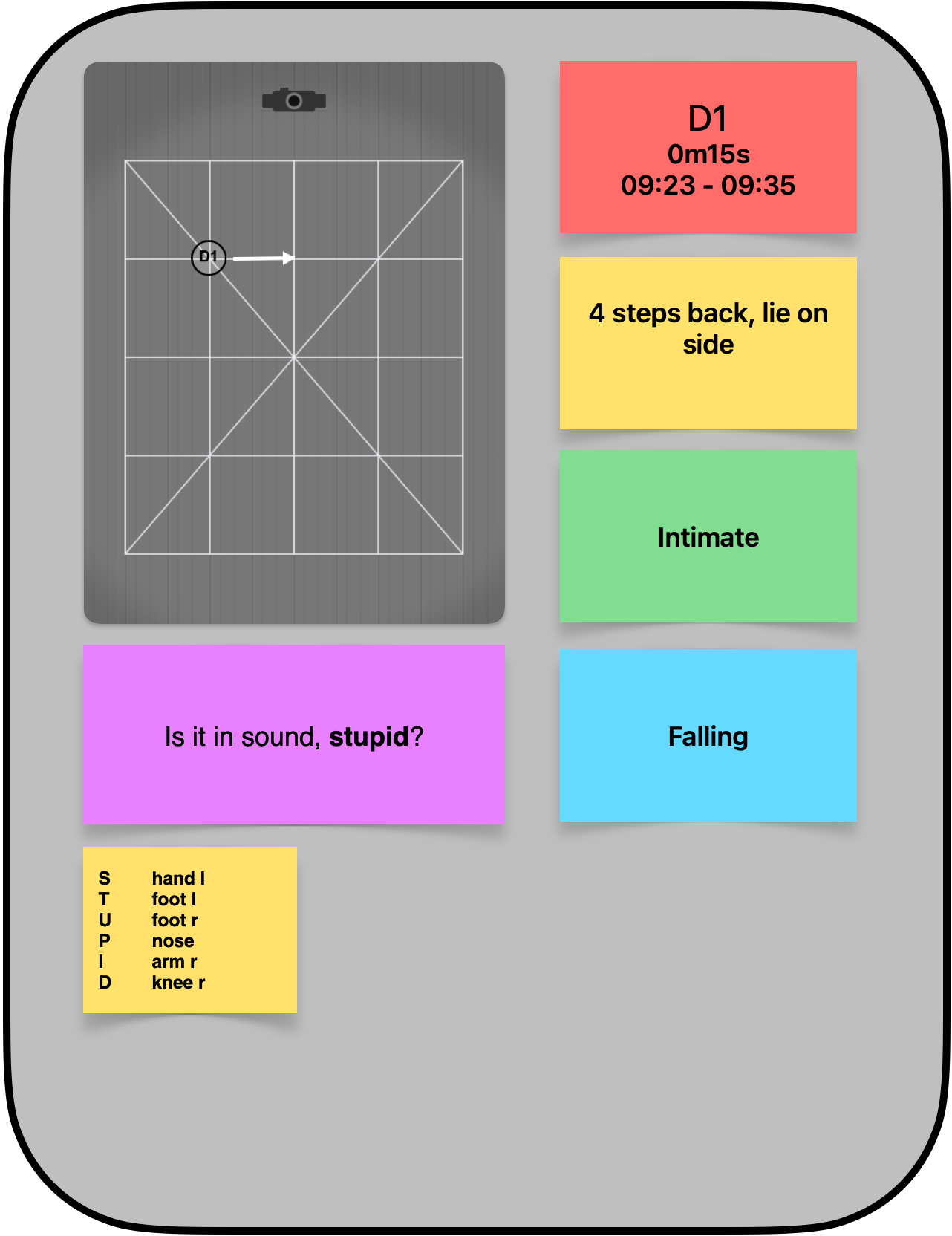
Is it in sound, stupid?
4/10 21:39
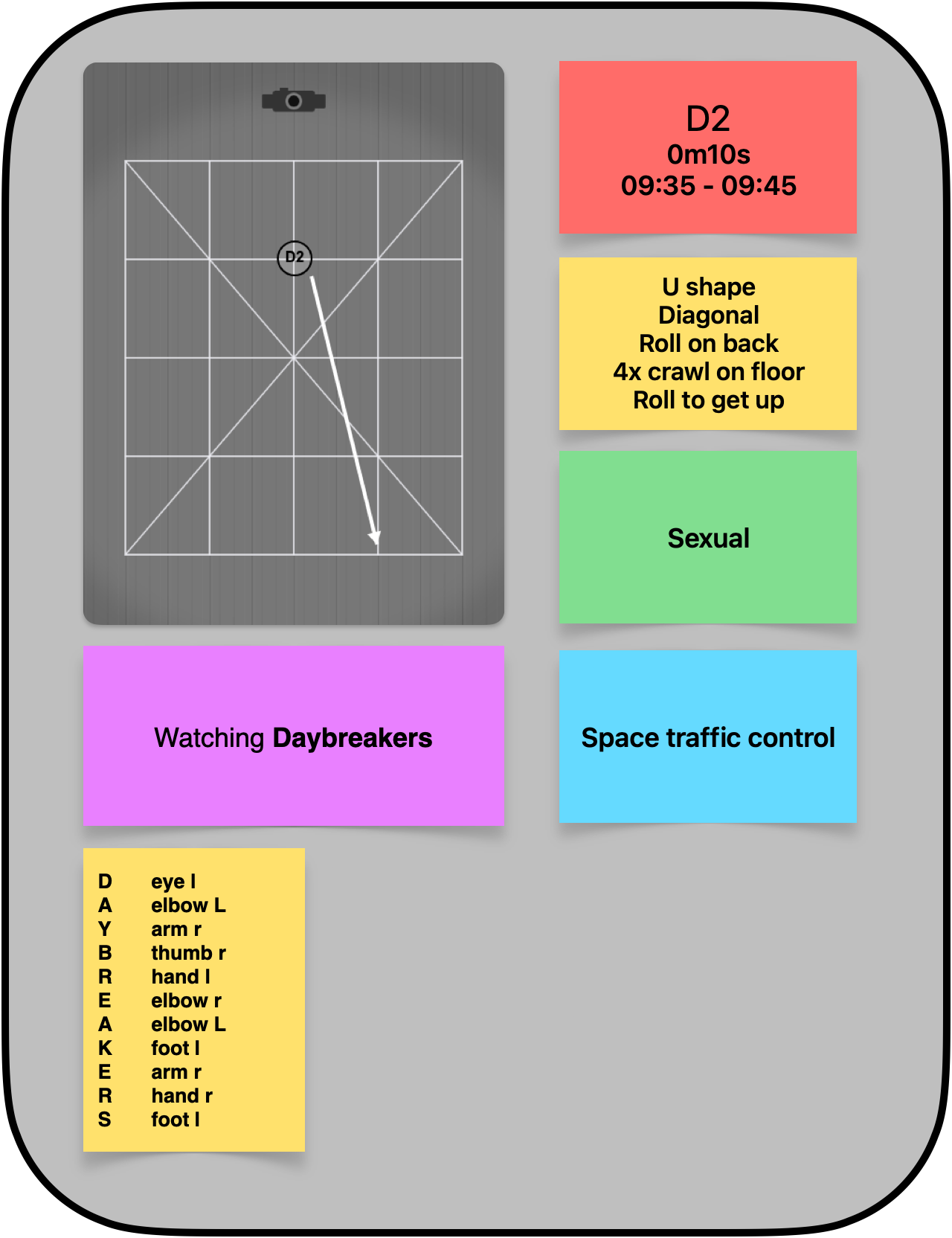
Watching Daybreakers.
4/10 22:43
How many days have I been sleeping alone, while I'd love to have shared it with a lover?
5/10 1:57
A traffic jam of hospital beds on the way to the operating theatre. I take a sanitary break before a dental surgery which seems to be delayed indefinitely.
5/10 15:35 - 6/10 13:10
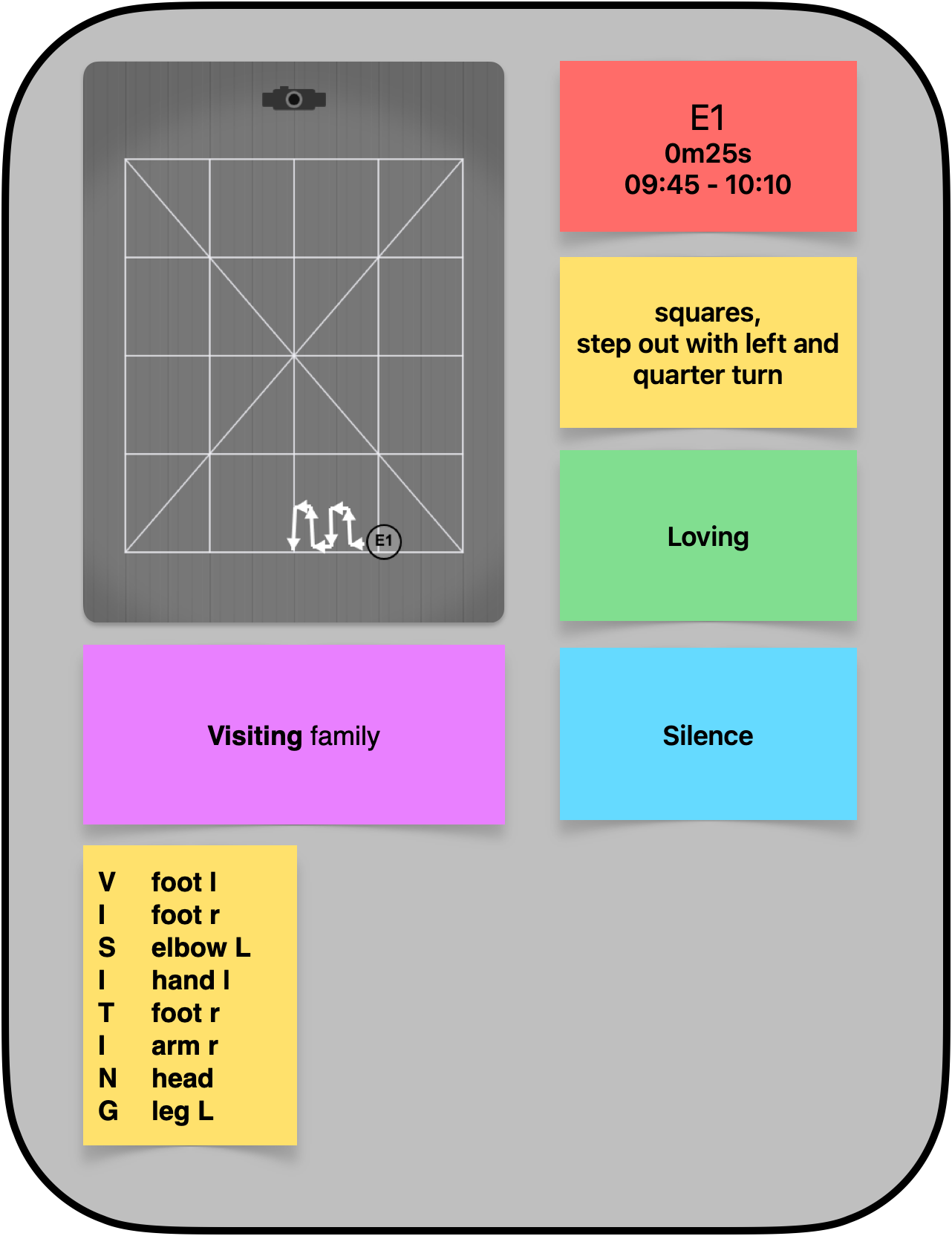
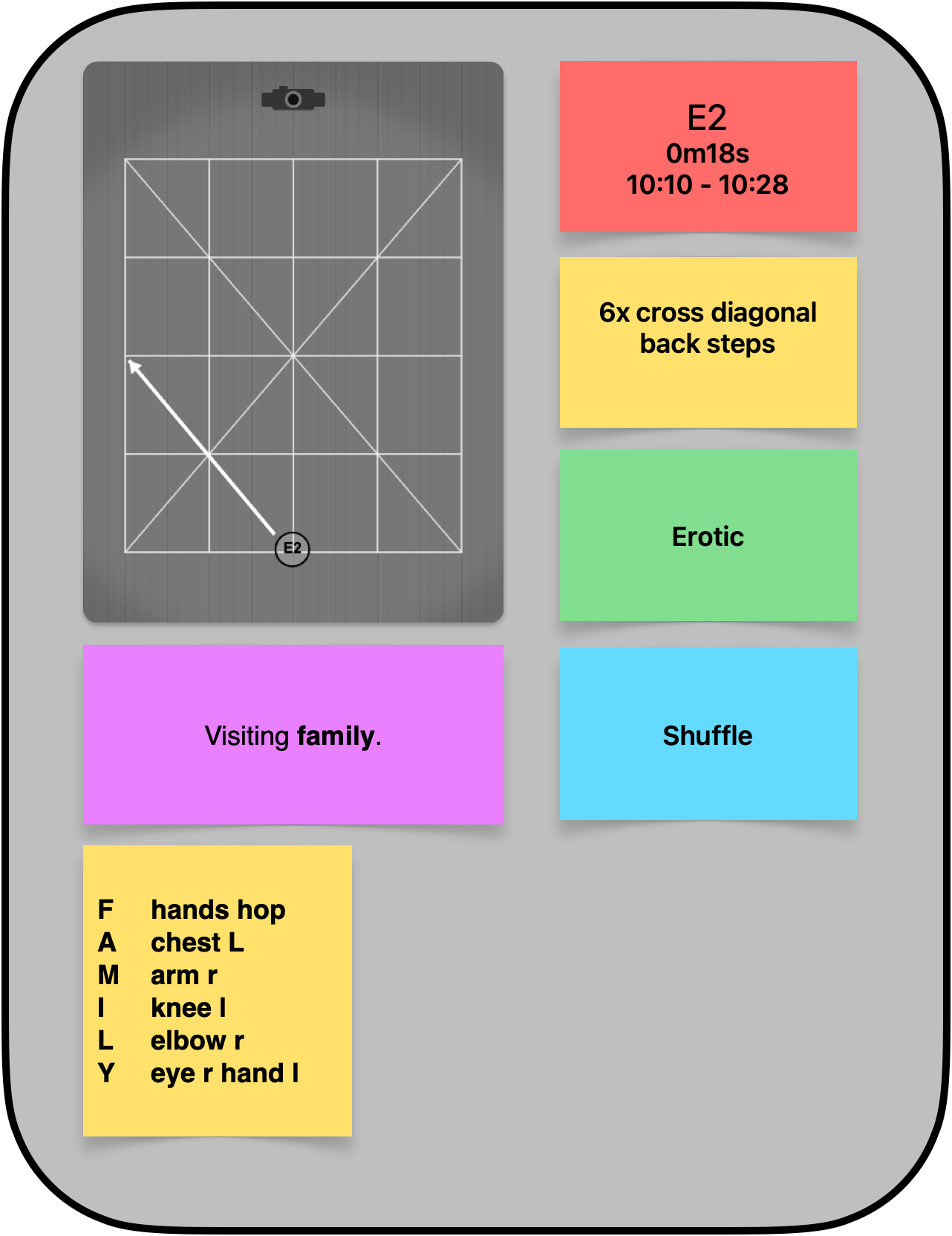
Visiting family.
6/10 17:00
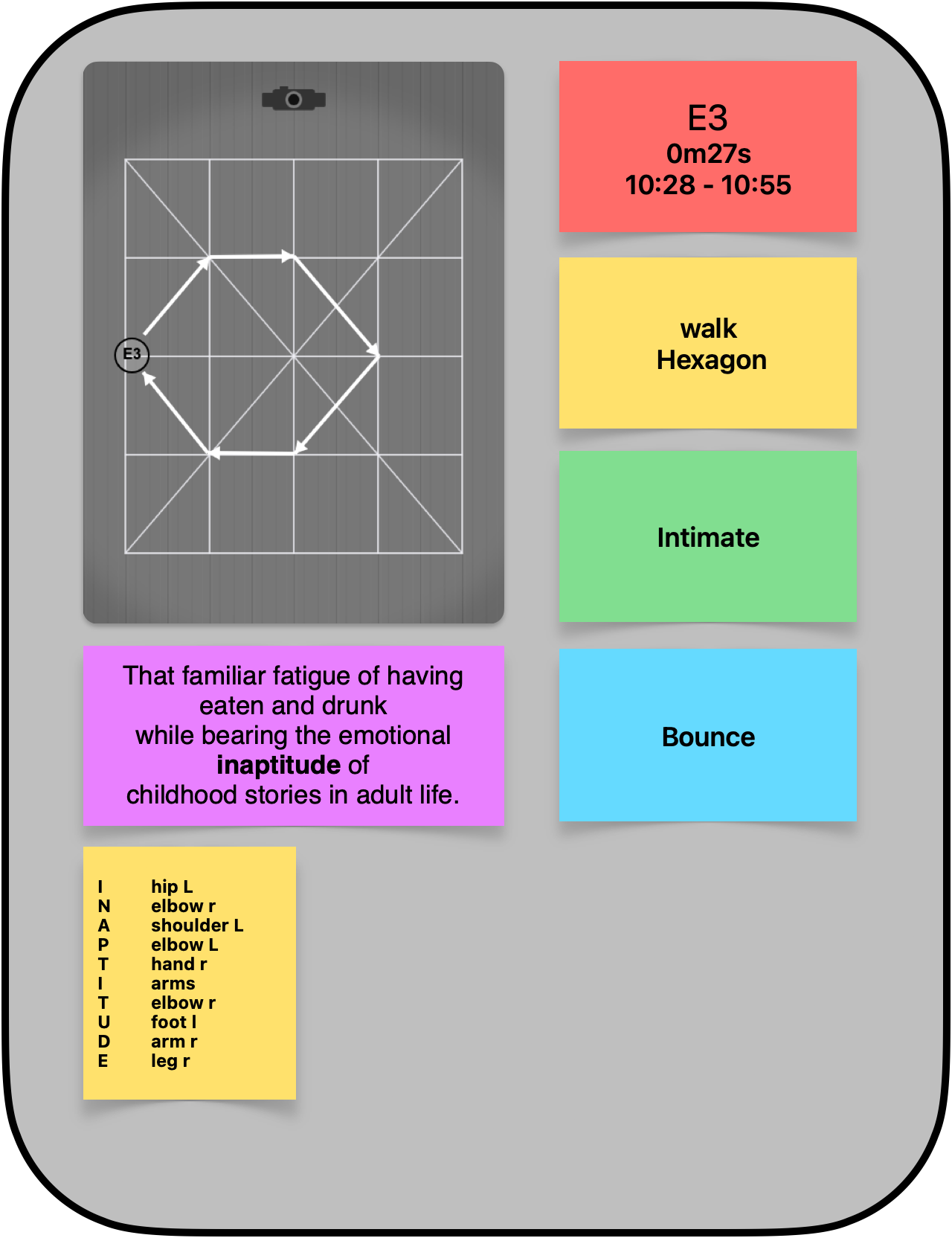
That familiar fatigue of having eaten and drunk while bearing the emotional inaptitude of childhood stories in adult life.
6/10 22:18
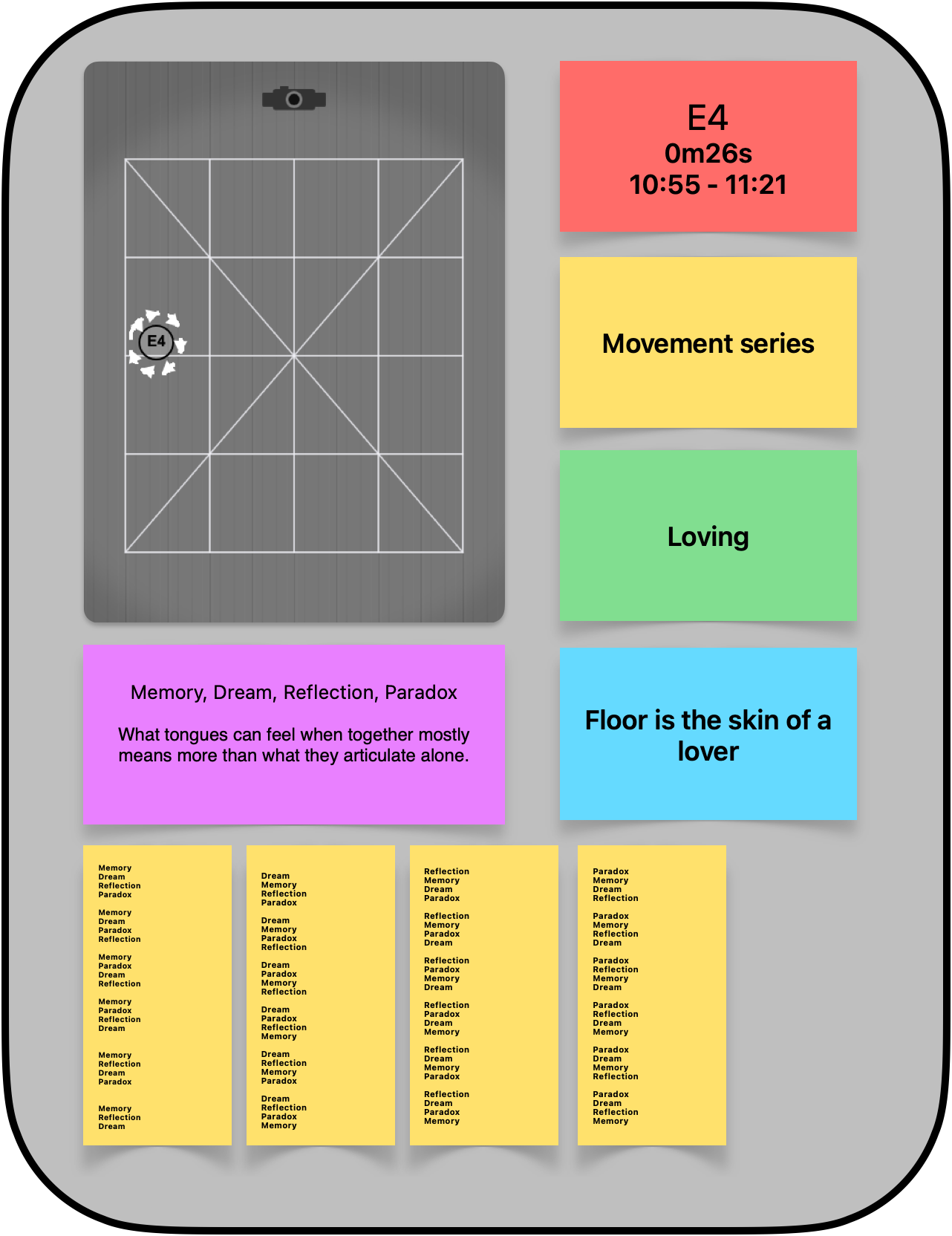
What tongues can feel when together mostly means more than what they articulate alone.
7/10
Like a measly sonnet of a brain that falters when in need to waste time in some juppy bomb shelter, you drive yourself to the next end of the line, hoping that there will be someone waiting for your fancy cry. Make no mistake, I don't care if you die, but if you do, all your words will fade in denial of why and how you chose to hide behind your fame and succes which only shows me how you lived a life inside someone else's shell. And now you are trying to break through with that fake smell of what to sell. I've seen the top and the bottom so for me it is the same. In between every human some are still wondering what to play beyond their game.
7/10 5:16
A napoleon complex fails to walk across the pacific.
7/10 6:39
Although the elevator has a latrine, the eight floor offers good food, plenty of light and a beautiful dance hall.
7/10 18:55
\__/
8/10 2:57
Wondering which caretaker my mother will be complaining about when changing the trash bin in the elderly home.
8/10 8:20
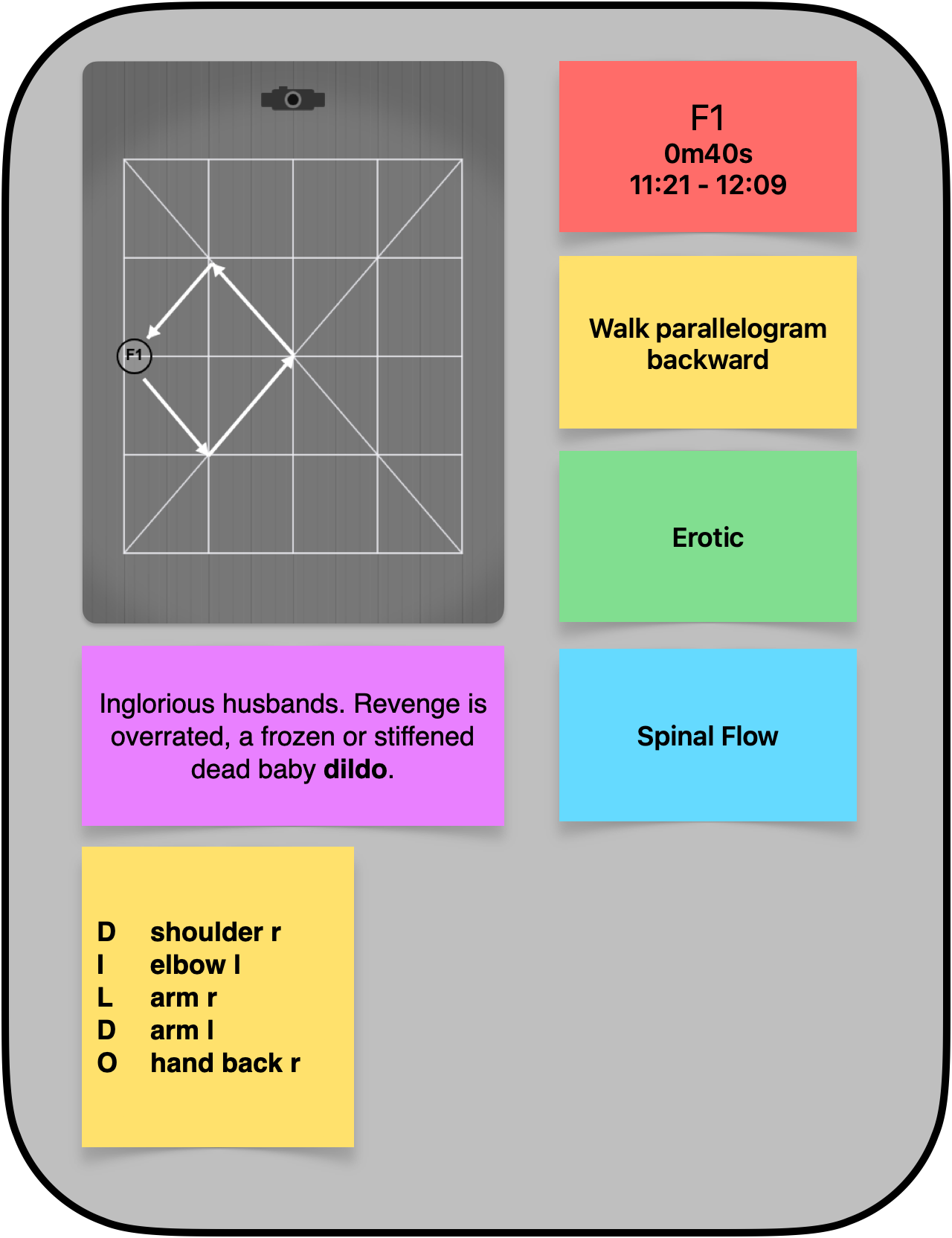
Inglorious husbands. Revenge is overrated, a frozen or stiffened dead baby dildo.
8/10 14:51
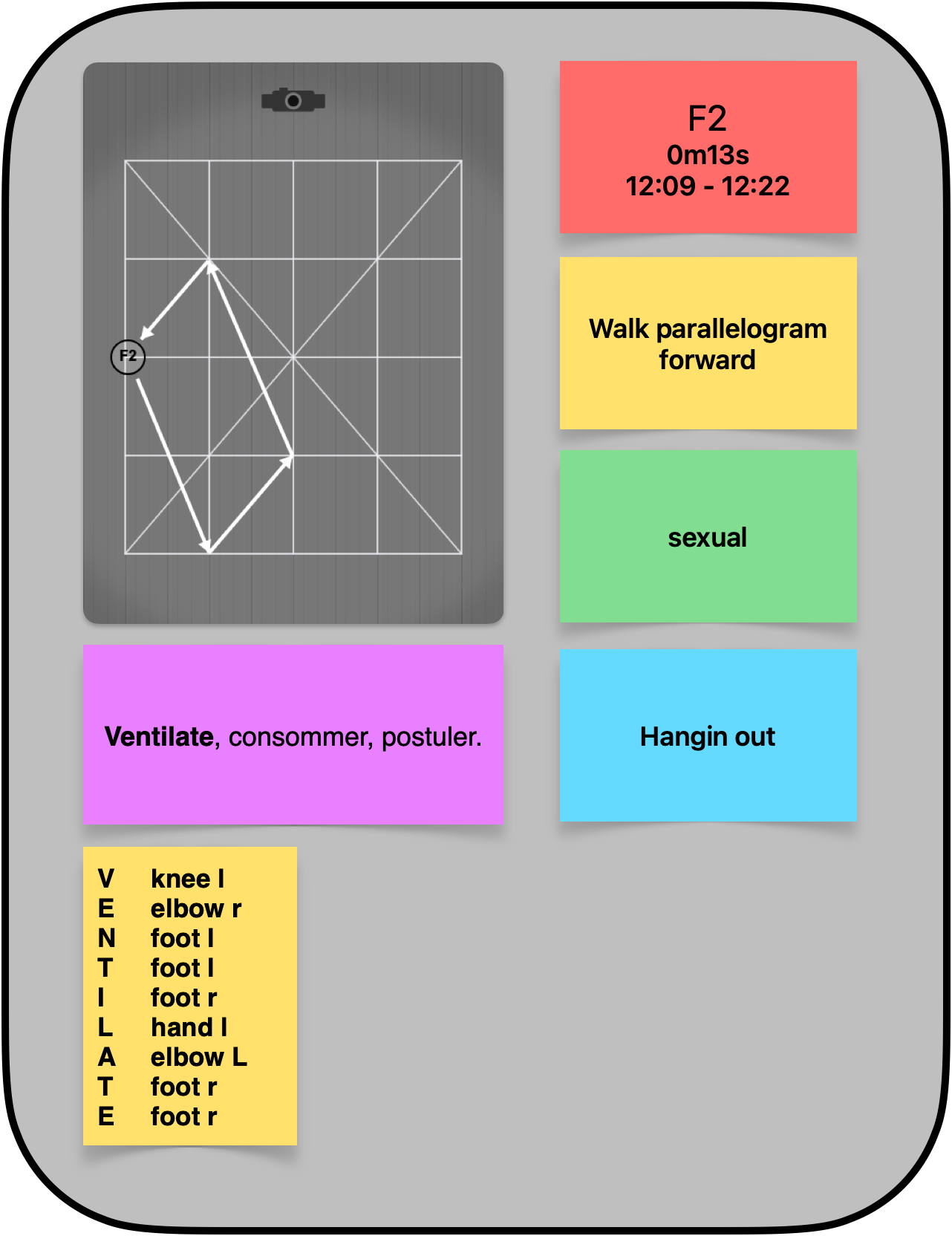
Ventiler, consommer, postuler.
8/10 17:43
Feeling of bereavement by receiving meatballs for birthday from an ex lover. Triggering a fear of being abandoned, emotional neglect and a need for reciprocal intimacy.
8/10 21:38
A dance class in my parents bedroom and making out with a girl wearing plastic in a leather chair theatre.
9/10 13:08 - 15:40
Drawing swirl
F8 - F9
9/10 22:49 - 22:50
Feeling good about moving pillows and a table.
10/10 2:43
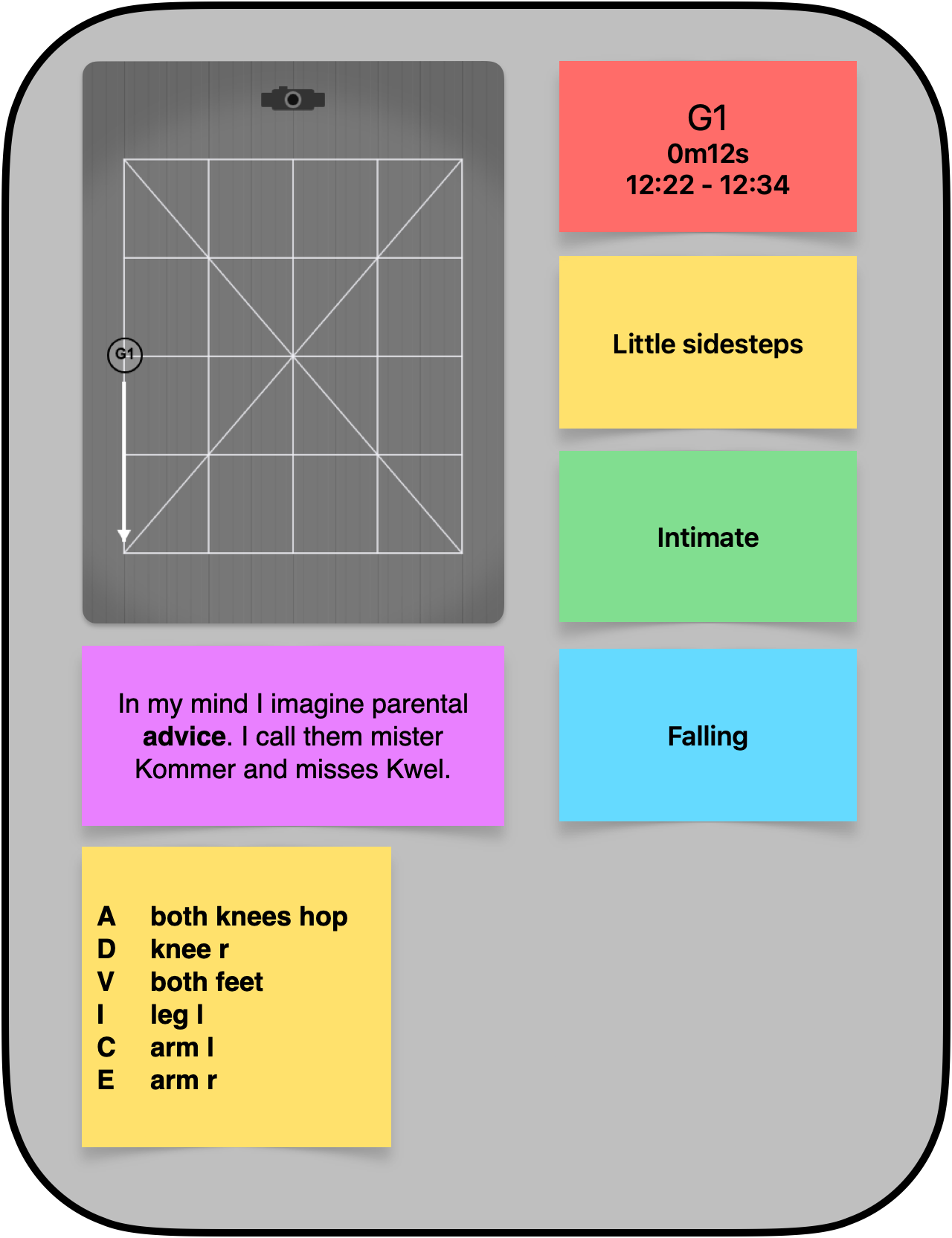
In my mind I imagine parental advice. I call them mister Kommer and misses Kwel.
10/10 6:20
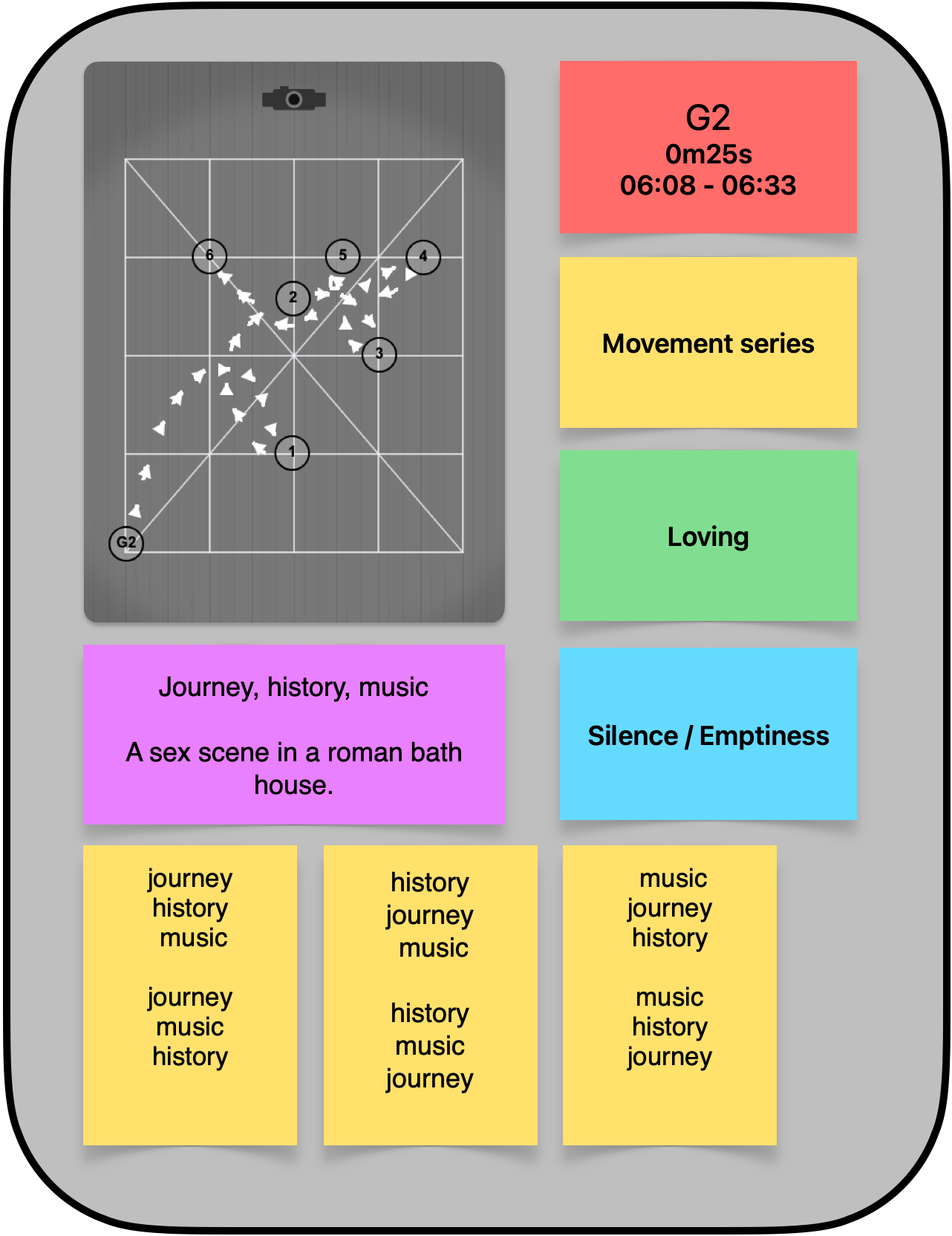
A sex scene in a roman bath house.
10/10 10:58
The chase by Ludwina until the Dali's restroom after throwing a cup.
10/10 15:03
A wooden house. A tale of betrayal by Eve's girlfriend.
10/10 16:57
Exit drawing.
11/10 7:10
A drop of love.
11/10 20:27
With who will I go beyond what I know?
11/10 22:50
Yet another Saturday night alone.
11/10 23:23
Even at low I flow.
12/10 3:07
An old lady got stuck when taking a turn in her wheelchair, so I gave her a little push and now she keeps going round in circles.
12/10 10:01
Do less.
12/10 13:55
A capitalist, a shaman and a witch have in common that their subjectivity identifies with features of imaginary animals.
12/10 19:07
Parsley, Rosemary, Thyme, Mint and clay or rice.
12/10 21:23
Digging a tunnel, opening windows.
13/10 8:37
Mourning.
13/10 9:56
Let them live their fantasies, make your own way and be thankful to live in love.
14/10 11:41
She wants to make music and I love her attitude.
14/10 20:51
Meatballs cat cake fridge and another euphemism.
15/10 14:10
Making out in the small bedrooms in Tollembeek. Traveling alongside a river. Crossing a bridge, dead end at a lily pond, returning to crosse bridge again, dog and mother, A wooden house, finding the map of the town, going fishing, a discussion after rollerblading into a library. Should art be an egalitarian timeless succession of pictures, or can there be differences, mistakes, leadership and challenges.
15/10 18:26
Accusations at the red cough in the living room in Tollembeek. How to summarize myself in two words. Fuck Love. Same amount of letters in my name.
16/10 5:24
For having been their exit strategy which made me into their bad guy that could be emotionally triggered by dropping a word. What a feeling.
16/10 11:53
Who ate Virginia Woolf.
17/10 11:29
Every experience in life happens within the spaces between and during breathing.
17/10 20:24
Blowing up my childhoods house and hiding in the pond, source.
18/10 8:09
Quitting my job at the academy and walking through a long dark and narrow corridor. Fixing the drain at the office. Calling out gaslighting and receiving feedback on my artwork.
18/10 18:26
Causing a scar by pressing my dark side on an edge. Trying to pierce my heart with a chopstick. Being thankful. Kindergarden in Tollembeek.
19/10 11:40
Buffing jinxing. Purloined letter.
19/10 17:15
Sewing a pants.
20/10 11:10
She pictures her back when she is coming and shows her face when she is backing out.
20/10 22:48
Create the next to finish what you are working on.
21/10 8:09
Defiling and stitching haywire.
21/10 9:53
Speak your truth in face of death. A childish emperor in an orange cough, ordered to go out because of his tantrums.
22/10 7:44
Apply audio synthesis to choreography: additive, subtractive, frequency modulation, ...
22/10 9:34
A difference in me is what I notice after I changed my idea of you.
23/10 12:36
Before giving a response, deliberate within yourself if it is helpful. If it is, go ahead. If not, let it pass.
23/10 18:38
How can I find my work to be rewarding and truly satisfying? What kind of form do my activities need for this to be causing this effect while meeting my own quality standards?
24/10 13:09
When I say: you'll need to pay, do the artists go away?
24/10 18:45
Dark brown eyes.
25/10 12:27
Making another pants because the one I made is a bit tight.
K4
25/10 15:43
No strings attached.
26/10 6:08
To be true to oneself is an ongoing revolution in itself.
26/10 16:04
Guiding a friend in a house of knowledge.
27/10 10:45
This is for those that won't give up on others.
27/10 16:42
Being kind to my feeling.
28/10 10:36
What do you need from yourself to be love?
28/10 20:22
How many panties do you wear for a striptease?
29/10 14:49
Making out with my dream girl under the chestnut tress at avenue saint-Denis.
29/10 19:31
spinal flow, intimate. Elena.
space traffic control, erotic. Moves.
bounce, sexual. You.
30/10 13:§0
Money will follow what you really love.
30/10 15:49
You'll find acceptance where you are allowed to grow.
31/10 16:21
Making it possible for others and myself.
31/10 17:25
Artwork rejects compromise.
1/11 8:41
Streams of thoughts in multiple variations of different rhythms.
1/11 10:21
Wishful and magical sorcery is a side effect of a lack of agency in capitalist subjectivity.
2/11 11:00
Bridges to water. Life after family and death.
2/11 18:06
Do nothing to those that gave up on learning from themselves.
3/11 14:36
Modalities of the feminine consumption logic:
3/11 20:55
I feel your fingernails in the back of my neck. It would be conventional to say that you want the hands of my body to be around your waist, firm yet not clinching. Your vagina looks at our feet while I let my tongue slide across your shoulder blades. I think about which parts of you are fitting a fashionable concept of beauty with which I can put you in a place that makes me feel more confident about my own body. I want that my semen does not arrive before I hear your sounds, when the contractions become so pleasurable that it makes your mind and body move on its own. You seem to have a more clear view of what you look for in a male body and I am curious about how you would make it happen, along the desires with which you drive me into yourself. I am the being which fails to become what it is supposed to be and thanks to this disillusion I meet your touch and feel what is going on, it arouses then it linger on, and I feel exposed in a way that my thoughts become my make up. Like a mental outfit which needs to be worn for letting the course of your nipples have their conversation with the parts that make you sweat. You smell nice today, like lemon and leather with a touch of pheromones. Shall I go out of your body now, or not yet? You ask me if it is too cold outside. I think of my sweet dracula teeth, still unopened in a plastic casing. Are you into gelatin candy, I ask? You reply, wow, grinned bones, why not? I suck, you suck, the candy is being nibbled to pieces of sweet and sticky goo. You pass it into my mouth and I let my tongue engage in a conversation with yours until most of the gelatin has dissolved and your chin and upper thighs are covered with saliva and sugar. It becomes difficult to remain serious and erotically engaged, considering the infantile state that you find me in. I put my mouth around your thumb and draw little circles around your clitoris with my elbow. It must look kind of funny from the point of view of your desktop, I mumble, while you are thinking of a scene of this movie that you watched the other day. I slowly roll over you and you take me by the ankles and drag me out onto the carpet besides your bed. What do you have in mind, I whisper. You say, nothing in particular, but make sure you can last. I tell you to sit on your desk and lean on your shoulder while I listen to how you pleasure yourself. I ask myself why I need to be so preoccupied with pleasing the other. I say to you, if you would know how to fuck, what do you need me for? You say that it is up to you to decide. I decide to let you fuck until you are exhausted. Then move slow inside of you and let you fall asleep. It could be that nothing comes from this. I know you are no destination. You are open and I am vulnerable. I wake up with you, but it is never today. You seem to have something to say in between. I make some noises that sound like english. Next time I will try to ejaculate prematurely, and snor loudly while you text on your phone, unsatisfied and unable of sleeping. I think you liked it, I am refraining from being impolite, yet I enjoy a brutality of being fine.
4/11 11:37
Babe snors squirt.
4/11 17:23
Bloody mary, queen of the Scots.
5/11 13:58
Helping you to satisfy your needs.
5/11 21:42
Sharing how I work.
6/11 5:30
Rolling in a trio to the edge of the stage.
6/11 21:31
Nostalgie, attendre, medical, kuil, griet.
Organiseren, structureren, communiceren, promoveren, amuseren.
Dominique, Louis 14, wedstrijdje, rubber vlootje, exposeren.
Da ga ni marcheren, 't voordeel van de twijfel, 't klopt weer nie, knutselaar, professionalisering.
Director.
't Stinkt uit zijn bek, die moe kapot, zijn stomme broer, papa preken, bandal.
De vijfhoek, 't jeukt aan zijn oor, moeder kloek, pietje pince, agamemnon.
Power rangers, die stopt ermee, alcatraz, druivensoort, hippie.
Durven laten nemen, Guido Belcanto, poetsgebak, laatste 2, die is gelukkig en vrij.
Ongezondig, slaaf, geboekt, allemaal, kattengejank.
Moestuin, grappig, thuisgevoel, zichzelf, mooie woordjes en een goe lief.
Post-fatalistisch, plezant, onweerstaanbaar, volmaakt, oneindig gevoel van prettig in het lichaam zijn.
Vrij van woorden, de taalgrens, luisteren, genoegzaamheid, indifference.
Natasha piskous, george soros, barbara nailed him, catechismus, bouleversant.
7/11 16:12
Mister Propre and the triplets of auberville.
7/11 22:23
Tenons le plafond de nos frères isolants.
8/11 11:56
Rubber ducks.
8/11 16:15
Being true to my own sensuality.
9/11 9:01
She will take you on.
9/11 14:33
Mirroring a fourth dimensional reality of my mothers territory.
10/11 7:57
first occupation: artist
second: occupation: stef
third occupation: whatever
10/11 11:15
Let the down trodden morale of your super ego, those internalized parental inhibitions, be superseded by an unethically free mind.
11/11 17:26
Anxiety reveals neglect.
11/11 18:58
Working within my means.
12/11 11:29
Look inside and fall in love with all your shortcomings.
12/11 20:37
Waste your life with art.
13/11 16:11
Deeply surrender to my inner truth.
13/11 21:20
Writing a proposal, not a proposoa.
14/11 8:34
Talk is less cheap after sex.
14/11 12:31
As a hysterical neurotic, I need to be my own master.
15/11 16:03
Divert the need for recognition into a drive of distributing your artwork.
15/11 18:24
Building a scheduling software tool.
16/11 8:43
Lamentations for insinuations.
16/11 18:56
D adopted Z, from Moscow. She is kind of a mix of a labrador, a podenko and a border collie.
17/11 7:21
Building a website with agentic coding. After two days, at 3am on a Sunday, I managed to get it online. Now adding the content for the frontend.
23/11 20:10
Having the patience and being
crazy enough to persist in
making it a reality,
while the art is what happens
to be happening anyways, yet less
likely to be lived if preoccupied with other nonsense.
23/11 21:27
If love is a red dress
aces and jacks.
24/11 18:53
Days only last that long
And love only comes so strong
Cause when you hear me
I ll be gone
Still lost in their daydreams
of a world to belong
to you and me with
all those possessions
No one is free (to be)
(where(ver) they would be pleased)
to see our trails of deceptions.
You claim humanity is our ancestry
so then why won't you surrender
to egality?
24/11 20:33
Hervoegen van de schouw, een truweeltje.
Dat duurt wel 400 uur om te drogen.
Met de mountainbike door de tuin, langs
de vijver, de weide in. Die voor mij
gaan links, 'k ga offroad rechts, mijn
voorwiel zinkt in de mulle aarde.
Een meisje op een fiets volgt me, langzaam.
Het pad langs de rivier tot aan de
zaal in het baljuwhuis, waar ik denk
dat er ergens in een kast een truweeltje te
vinden is. We come down to the river.
25/11 13:48
Thinking duality from a ternary
logic.
Law of the included middle.
25/11 15:40
A reason to write in movement.
Van gogh plucks his ear for a work
that he forgot not to paint
And as the tulips perish they murmur
in vain: le jour viendra quand les
bonbons se faire fondre dans la neige.
Failing true love calipso turned
into a hot rod and with cold sweat
dripping down their groins, nature
whispered not to be cheated, eat
like the faces stuffed with turkeys
smizing about an abondoned kid
in a car. Antigone rots in pleasure
under the rubble of some daddy's
mobile wifi hotspot. Soon and yet not a
lithuanian liturgy, flashed, lit up,
swiped and tagged: forgotten
their five last words will be.